01
What a seat belt system is actually doing
A seat belt exists to keep an occupant connected to the vehicle structure and, in a sudden change of motion, to spread the resulting load across the strongest parts of the body over the largest practical area. Everything in the design follows from that: webbing is broad rather than narrow, anchorages tie into structural points, and the geometry of the belt path is arranged so that load is carried where the body can best accept it.
Framed that way, the belt stops being a strap and becomes a load-management route — one that has to survive being fastened and released thousands of times without its behaviour drifting.
02
Why engineering precision matters here
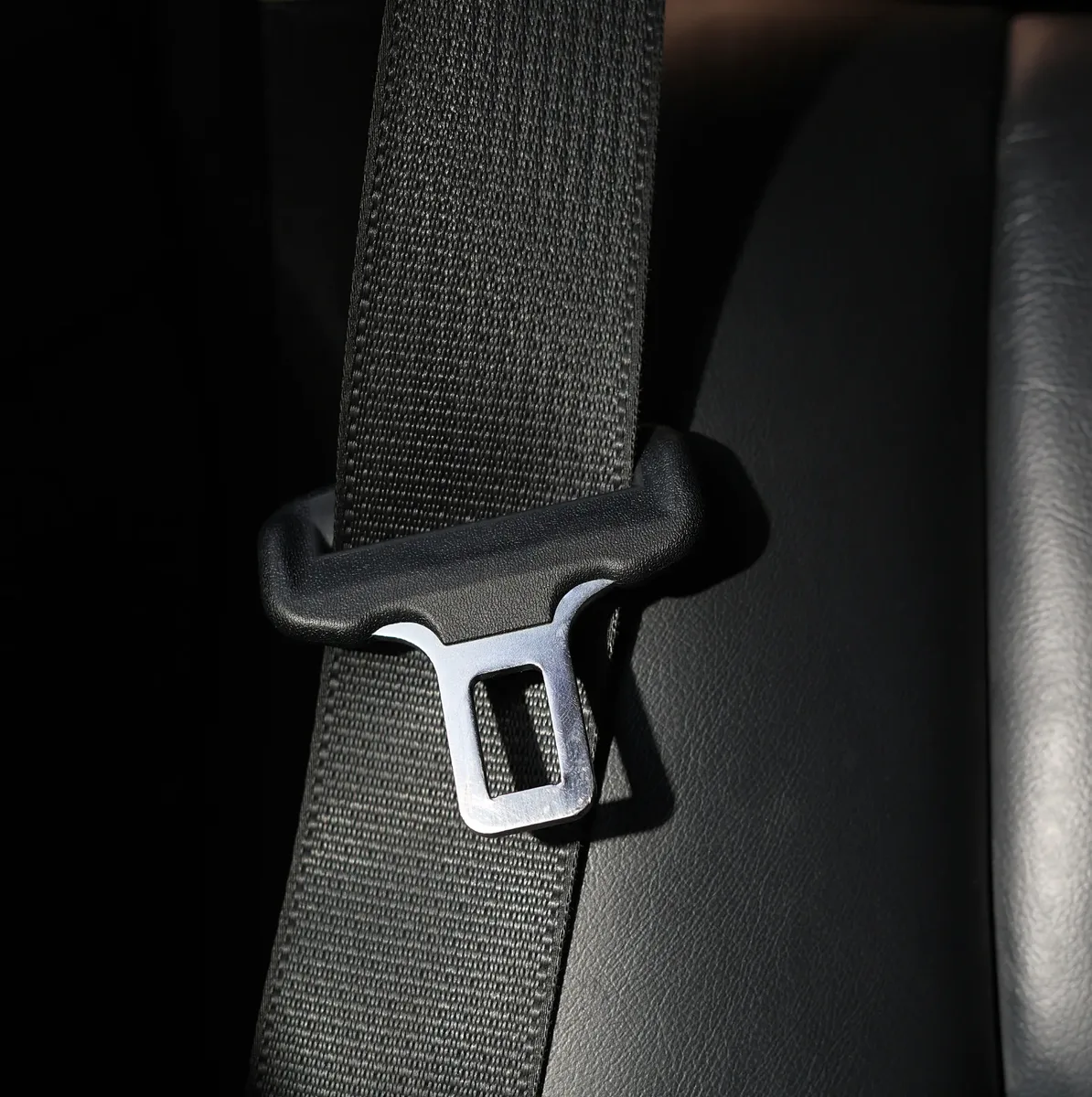
Small dimensional differences have outsized consequences in restraint hardware. A tongue plate slot a fraction out of position changes how positively it seats. Webbing a little wider than the guide it must pass through changes how the belt runs. A buckle whose internal geometry drifts from unit to unit changes how confident the engagement feels to the person using it.
None of these is dramatic on its own. Together they are the difference between a system that behaves predictably and one that does not — which is why dimensional discipline is treated as a functional requirement rather than a manufacturing nicety.
Consistency is not a by-product of good manufacturing. It is the product.
03
Component compatibility is not optional
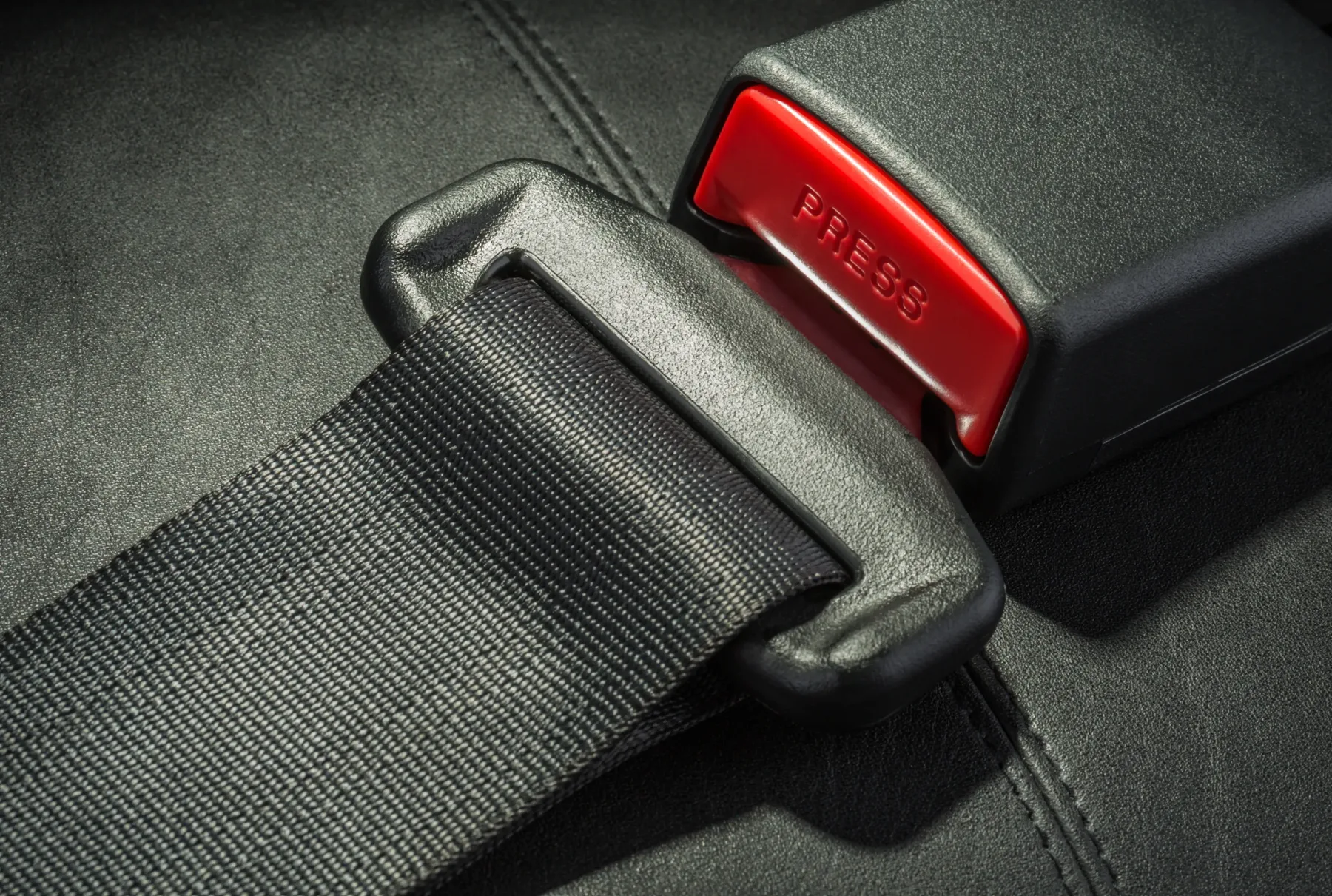
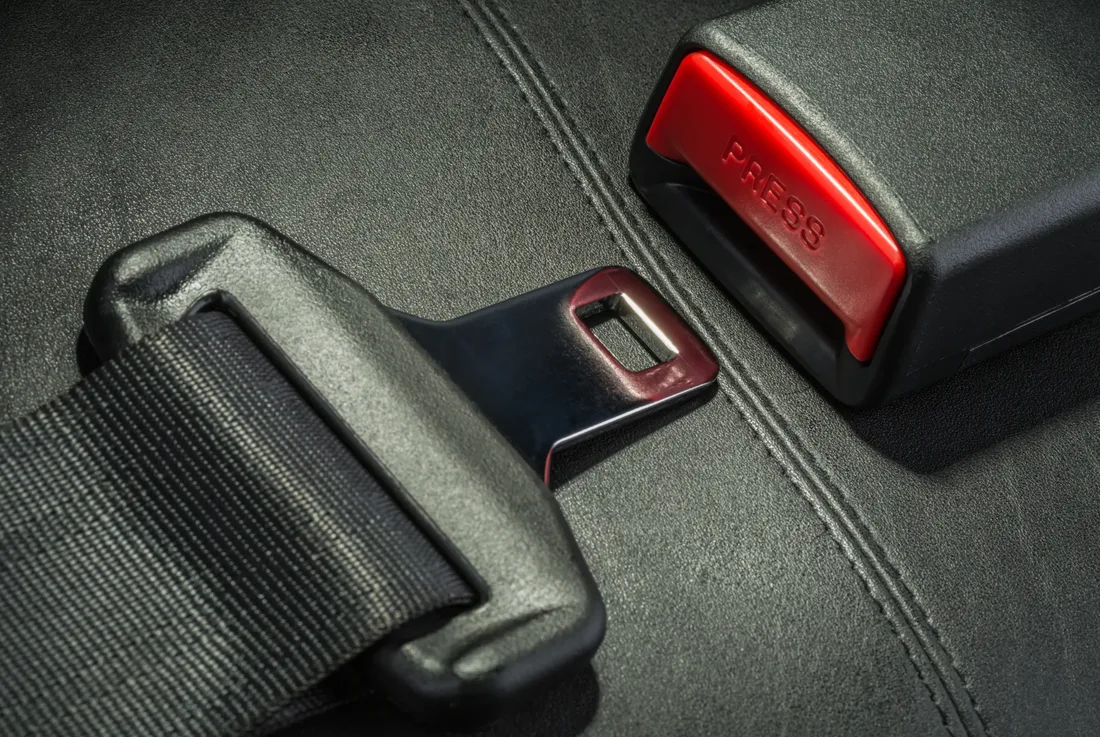
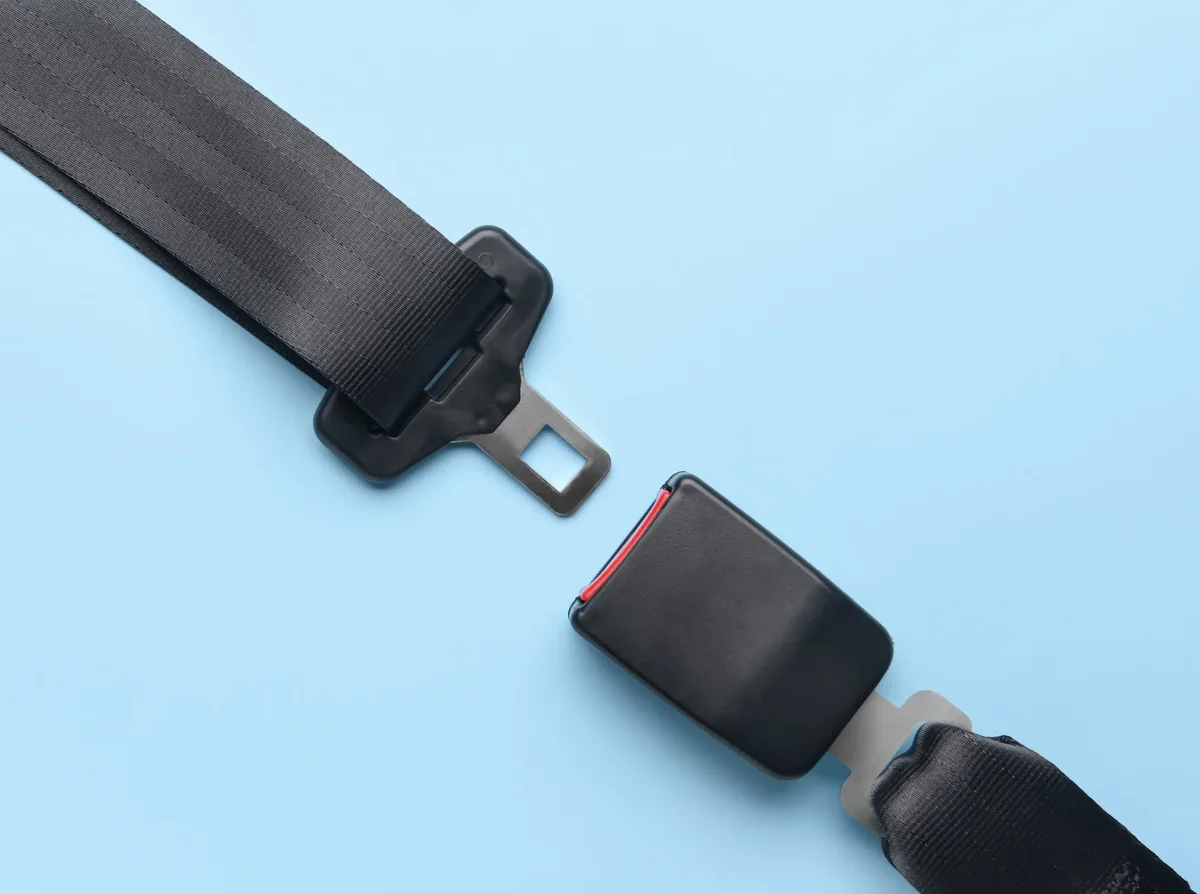
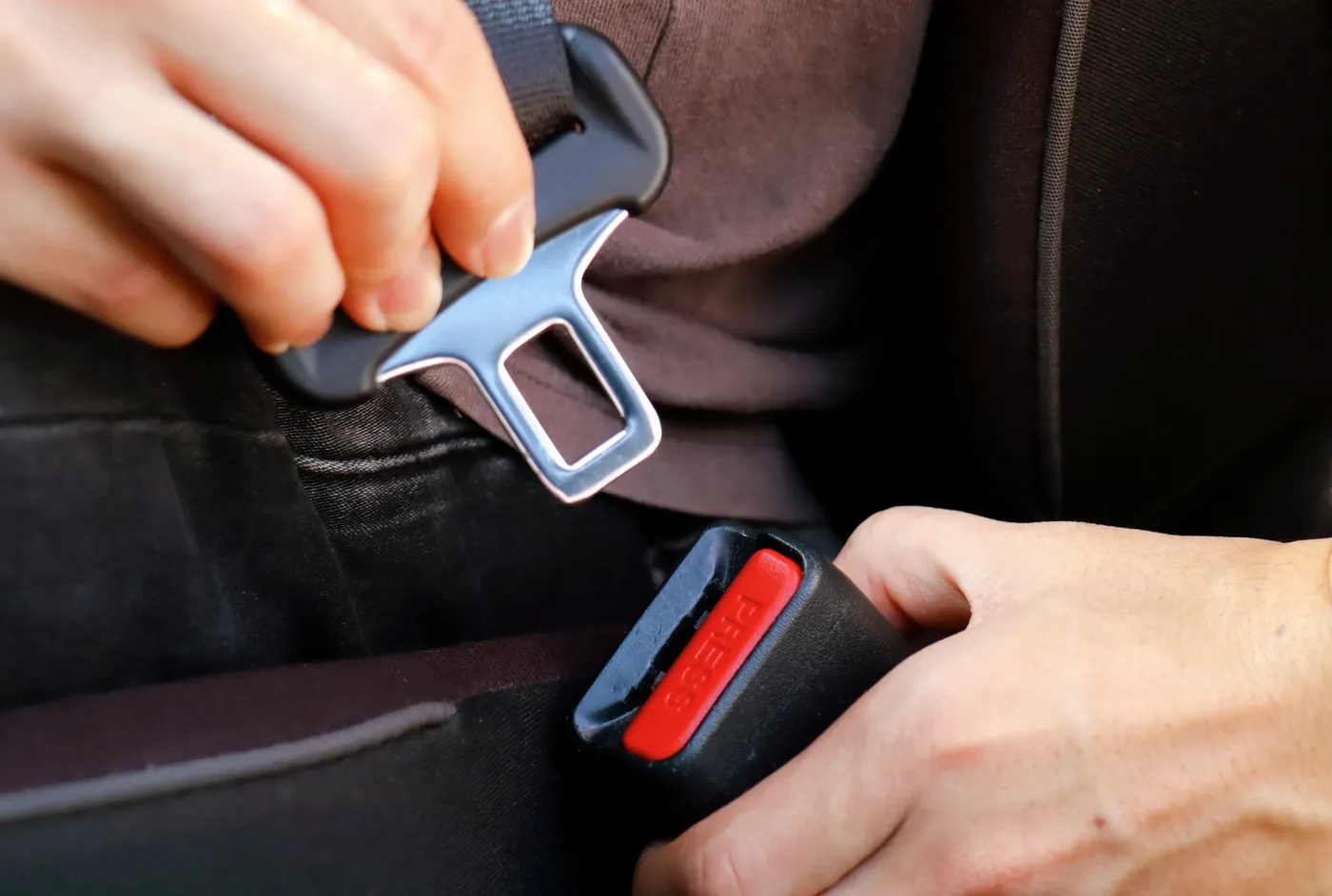
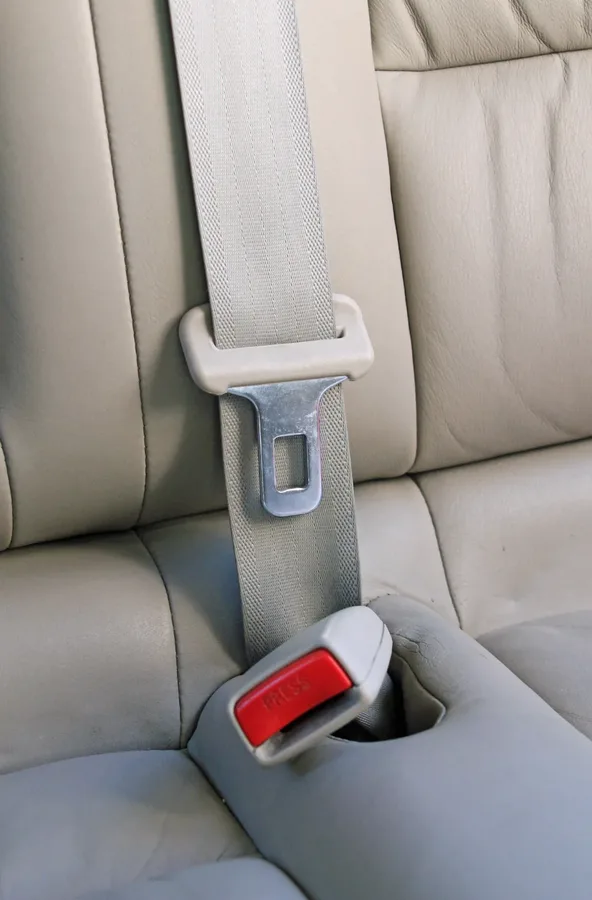
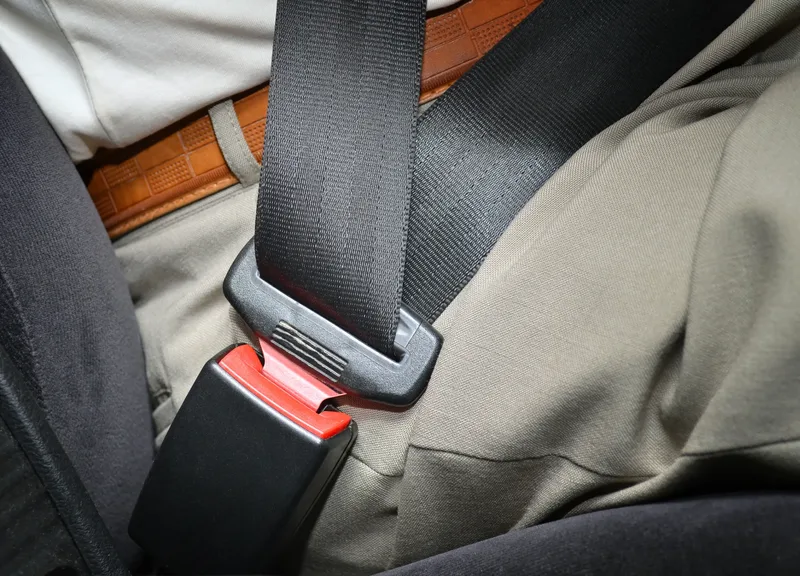
Seat belt components are designed as mating pairs. A tongue plate is designed for a particular buckle. A retractor is designed around a particular webbing width and exit direction. Substituting one part for a superficially similar alternative can produce an arrangement that looks correct, latches audibly, and still does not engage the way the original pairing was designed to.
This is why component identification takes up so much of a serious technical conversation. Establishing exactly what mates with what, before anything is ordered or fitted, prevents the class of problem that is hardest to detect after the fact.
04
Materials and assembly considerations
Webbing has to be strong, but it also has to run smoothly, resist abrasion where it passes through guides, and stay comfortable enough that occupants keep it fastened. Metal hardware has to hold load without becoming so heavy or sharp-edged that it is unpleasant to handle. Moulded components have to hold their form across the temperature range a vehicle interior genuinely sees.
Assembly then has to bring these together the same way every time — the same routing, the same orientation, the same sequence — because the moment build varies, the product does too.
05
Application-specific requirements
A belt for an outboard rear seat with a folding backrest faces a different set of demands from one in a fixed driver position. A vehicle in continuous multi-shift service sees far more fastening cycles than a private car. A purpose-built industrial vehicle may have mounting structure that bears little resemblance to a standard automotive layout.
Understanding the application first — and only then discussing product — is consistently the shortest route to a specification that works in the vehicle rather than only on paper.