Predictable behaviour
When every belt in a fleet engages and releases the same way, users act without hesitation. Divergence between vehicles introduces exactly the pause nobody wants at a buckle.
Precision manufacturing for the systems that support vehicle safety
Applications
Where a restraint system is fitted changes what matters about it. These are the application areas that most often shape the specifications we are asked to work through.
Why application matters first
Two installations can call for the same category of product and still need different answers. The difference is almost never in the component description — it is in the anchorage geometry, the seat structure, the access available and how hard the belt will be worked.
This is why we treat the application as the starting point rather than a qualifier applied at the end. A three-point belt in a fixed driver position and a three-point belt in an outboard rear position with a folding backrest are the same idea solving two different problems. The first has stable geometry and predictable access. The second has to accommodate a seat that moves, an anchorage arrangement shaped by that movement, and an occupant reaching for a buckle that may be partially obscured.
Reading through the areas below, the useful exercise is not to find the one that matches a label. It is to notice which constraints described here are present in your installation — because those constraints, more than the category name, are what determine the right configuration.
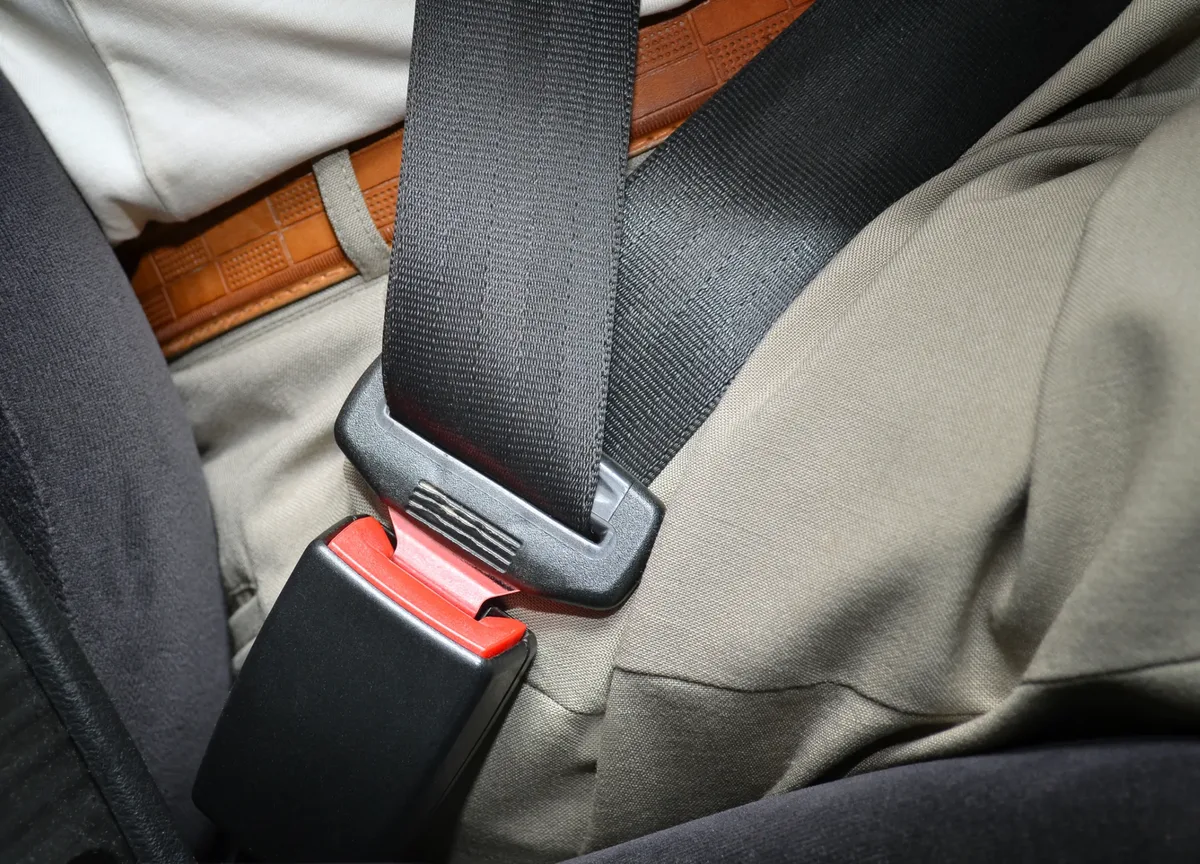
Fig. 01 — Installed geometry is where every specification decision is finally tested
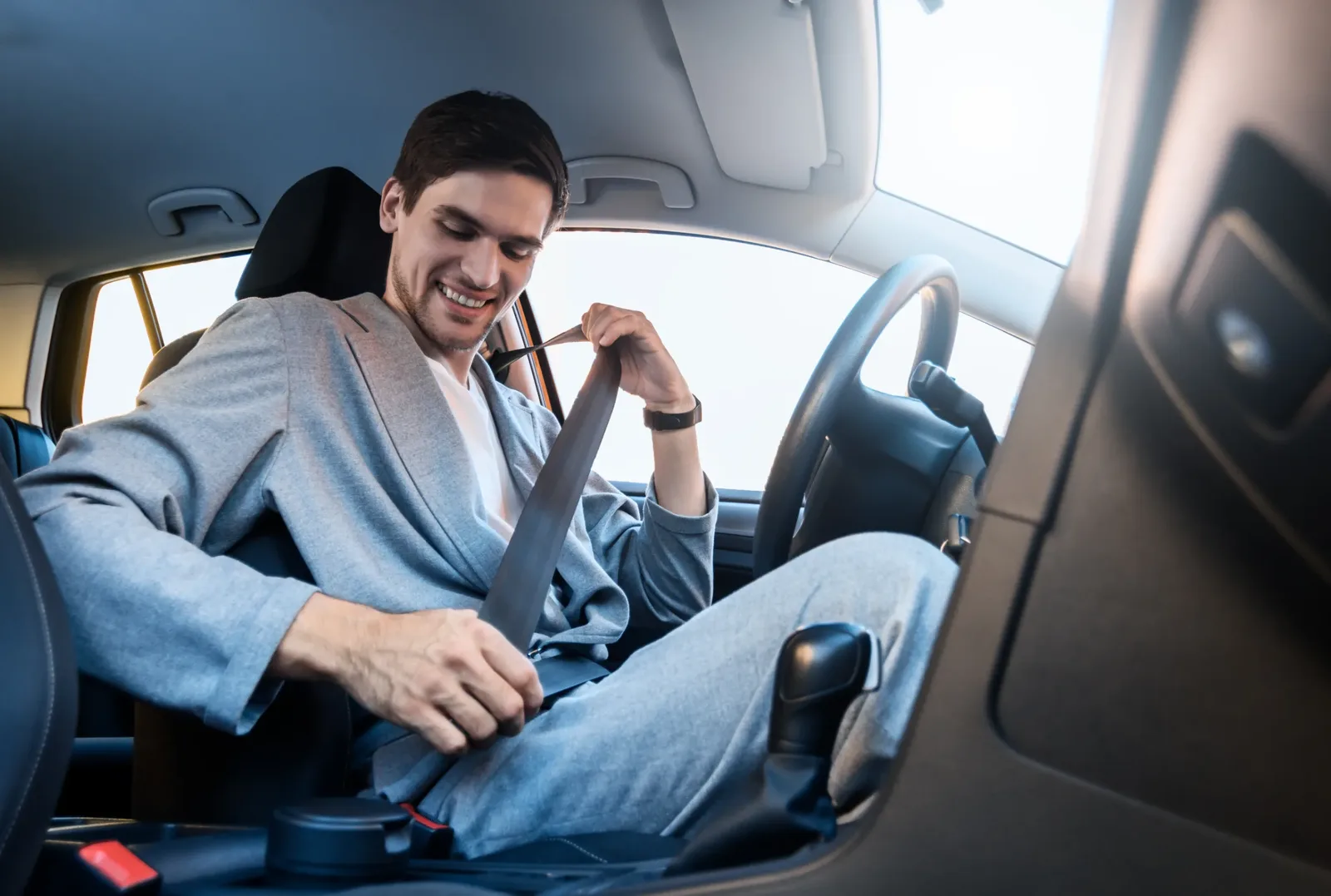
01 — Passenger vehicles
Cars, hatchbacks, sedans and SUVs present the broadest occupant variation of any application. The same belt has to sit correctly on a tall adult and a much smaller one, across different seat positions, seat-back angles and clothing. Geometry that is comfortable for one occupant and awkward for another is a real design problem, not a detail.
Access is generally good and duty cycles are moderate, so the emphasis falls on fit, comfort and ease of correct use. A belt that routes cleanly across the shoulder and lies flat across the lap is more likely to be worn properly than one that has to be fought into position.
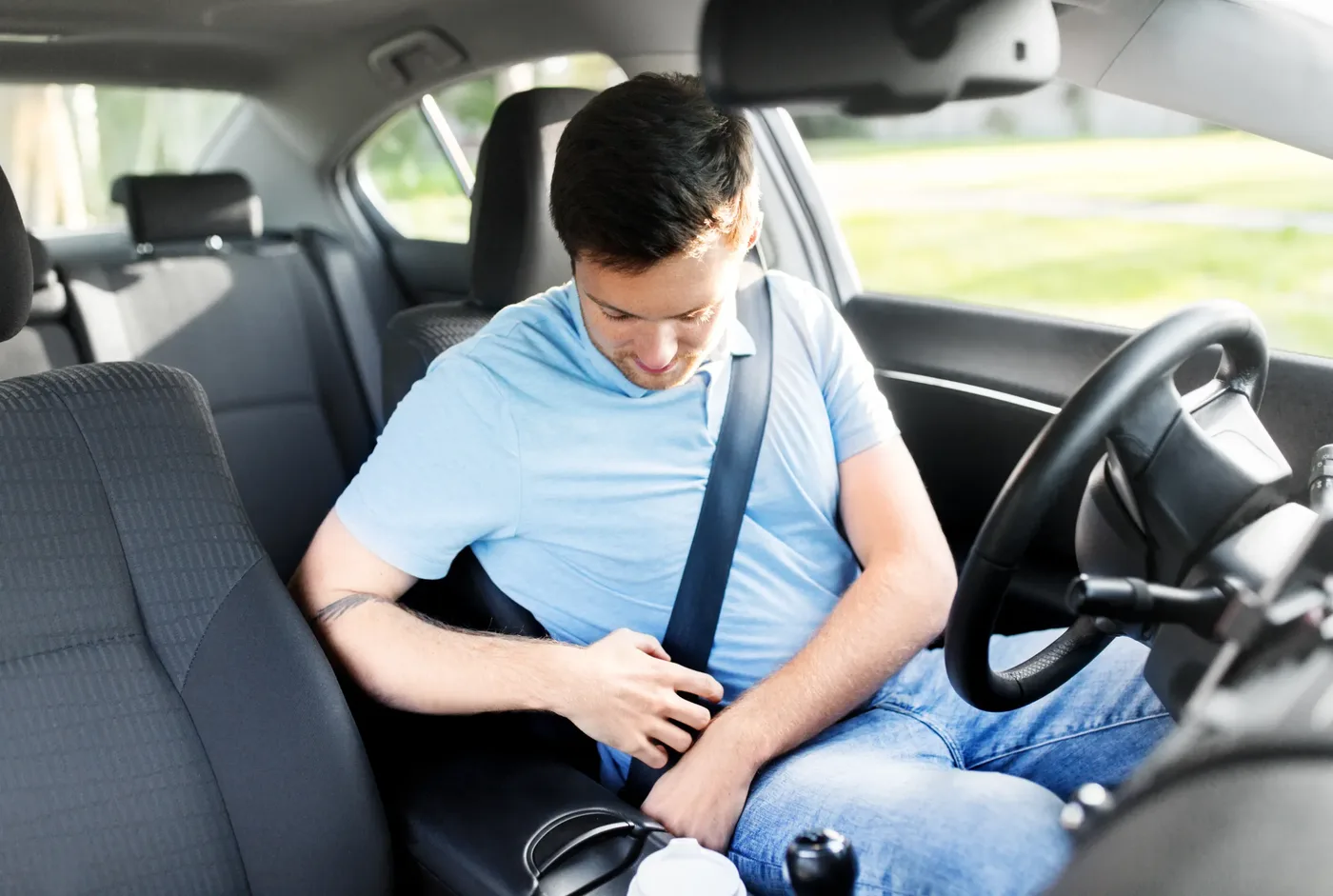
02 — Commercial vehicles
A vehicle in continuous or multi-shift service sees the belt fastened and released far more often than a private car, frequently by different drivers, often quickly, and often with gloves or heavy clothing involved. Everything about that pattern pushes the emphasis away from refinement and towards robustness of behaviour.
What tends to matter here: engagement that works on the first attempt without careful alignment, release that requires no second thought, webbing that returns cleanly so the next driver is not untangling it, and hardware that tolerates being handled quickly rather than carefully.
Frequent occupant changes also raise the value of consistency across a fleet. When every cabin behaves the same way, drivers develop a reliable habit. When cabins differ, the habit breaks — and hesitation at the buckle is exactly what nobody wants.
03 — Rear & centre seating positions
Rear positions carry their own anchorage geometry, interact with folding seat mechanisms, and often present restricted access to the buckle. They are frequently the hardest positions to specify well.
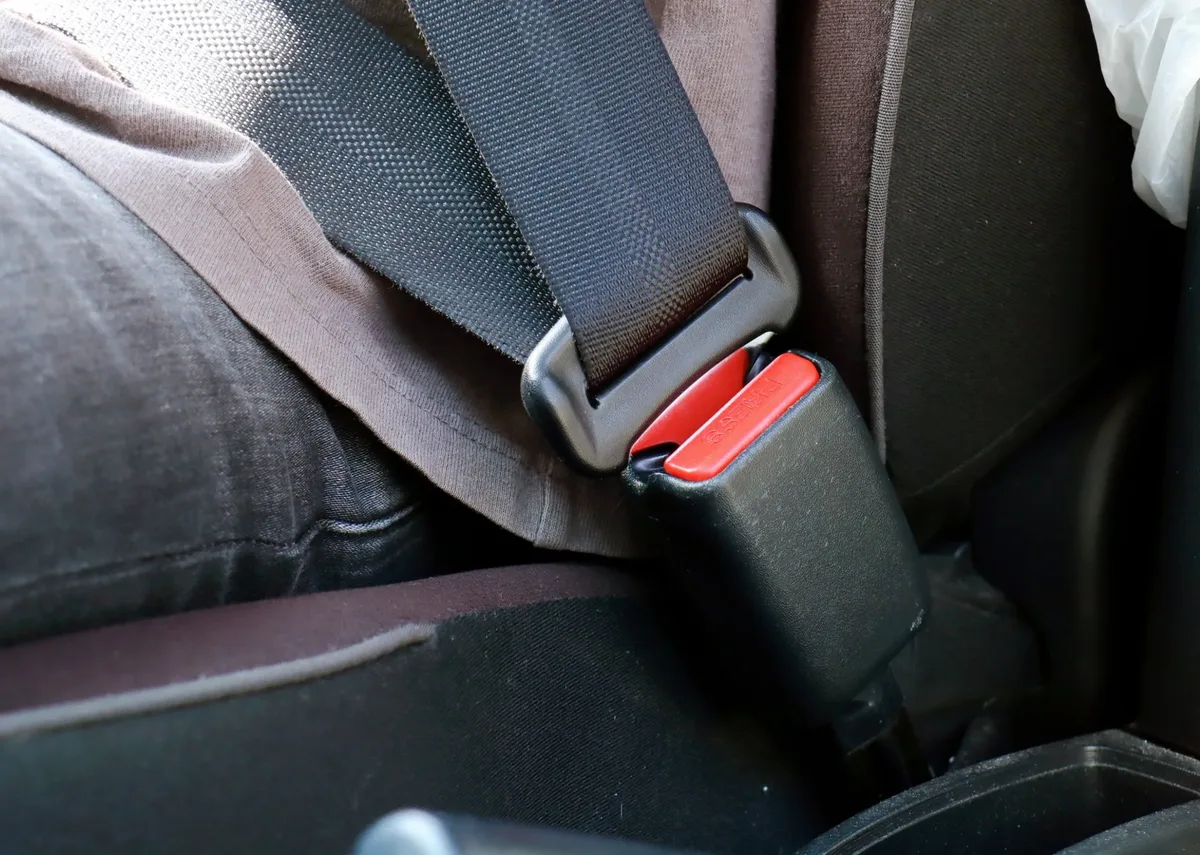
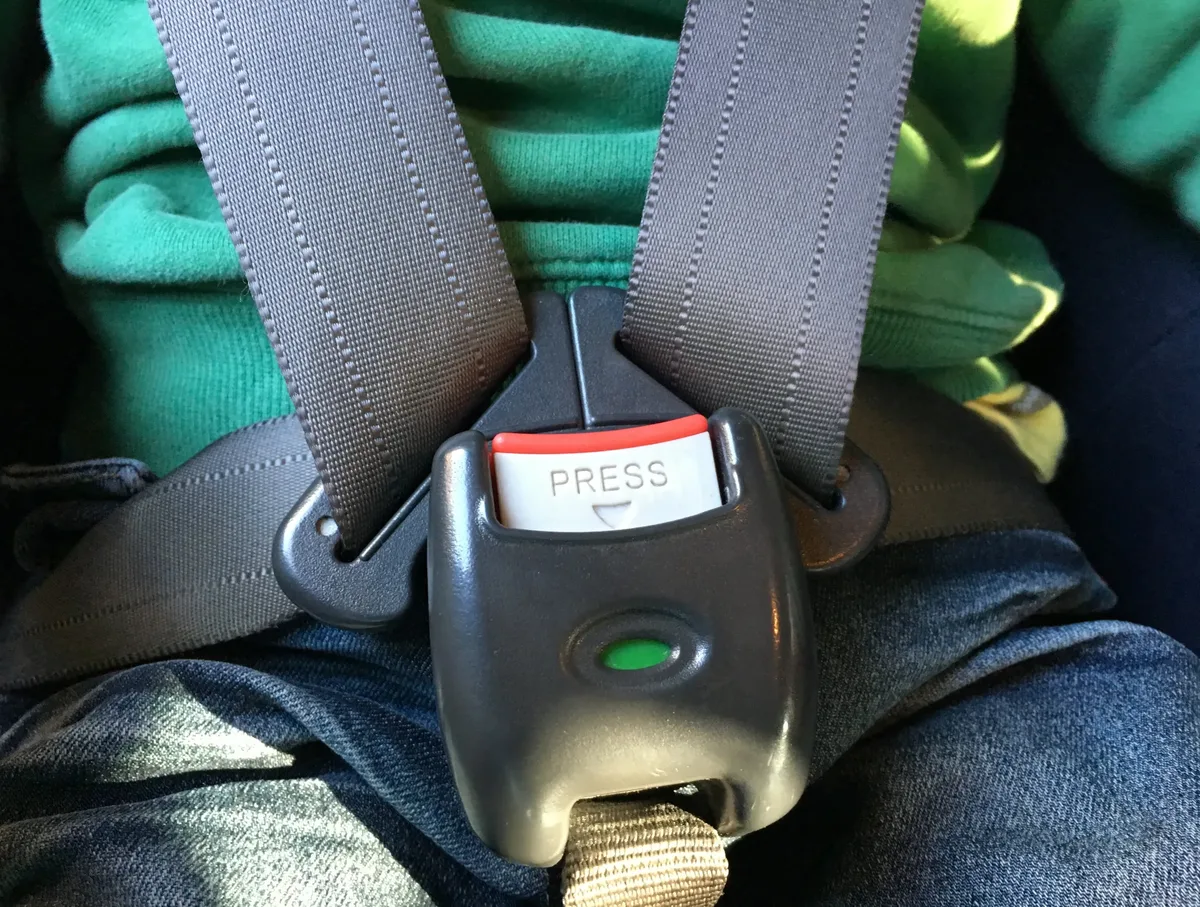
Fig. 03 — Straps converging on a central release
04 — Multi-point & harness applications
Multi-point harnesses trade convenience for control. That trade only makes sense where the seating position and use case genuinely call for it.
A conventional belt is optimised for a routine repeated dozens of times a day by people who want it over with quickly. A harness is optimised for holding an occupant more evenly and in more directions, accepting that fastening it takes longer and involves more steps.
The practical consequences show up in installation. Harnesses need additional anchorage points, which the seat structure has to provide. They involve more adjustment hardware, which has to be reachable and usable. And the strap routing has to suit the specific seat rather than a generic layout — which is why harness requirements are almost always better discussed than searched for.
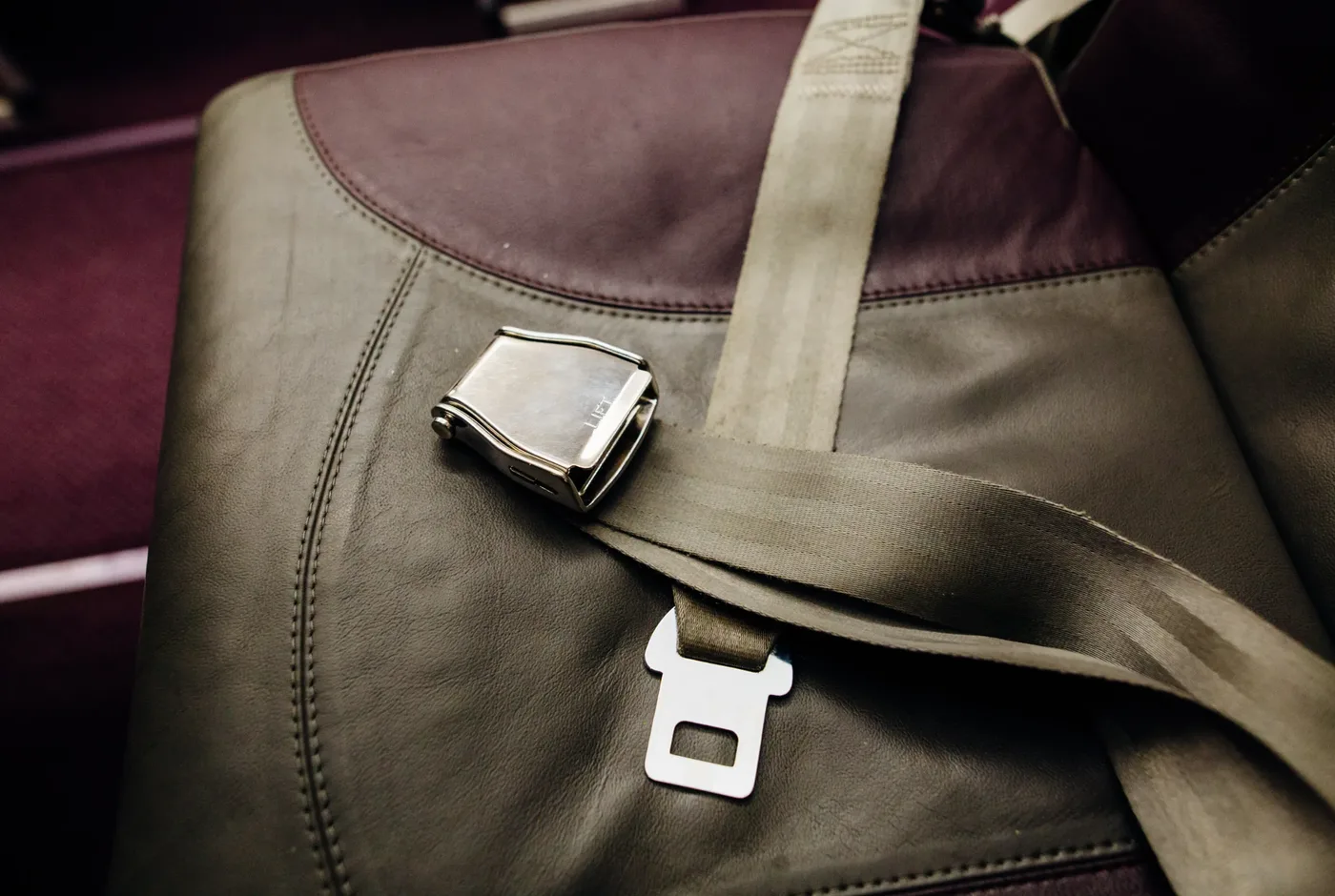
Fig. 04 — Seating and hardware arrangements that depart from standard automotive layouts
05 — Specialised & industrial vehicles
Purpose-built, adapted, industrial and utility vehicles can present mounting structure and seating that a standard automotive arrangement was never shaped around.
In these installations the ordinary sequence reverses. Rather than selecting a product and confirming it fits, the structure is surveyed first: what mounting provision exists, where it sits relative to the occupant, what the seat is built from, and how the vehicle is actually used. Only then does a configuration become discussable.
It is worth saying that these requirements often turn out to be closer to standard arrangements than they first appear. The difficulty is rarely that something exotic is needed; it is that nobody has yet established precisely what is there. Photographs, dimensions and a description of use typically resolve most of the uncertainty in a single exchange.
Clear photographs of the seat and its mounting structure, approximate dimensions, the anchorage provision available, and a short description of how the vehicle is used. That combination answers most of the questions a specification depends on.
Cross-cutting — fleet & multi-vehicle use
One vehicle can absorb small differences between components. A fleet cannot — because the people using them move between vehicles and carry their expectations with them.

When every belt in a fleet engages and releases the same way, users act without hesitation. Divergence between vehicles introduces exactly the pause nobody wants at a buckle.
Common components mean a smaller spares holding, faster identification when something needs replacing, and fewer opportunities for an incorrect substitution.
Consistent hardware makes routine visual checks easier to carry out and easier to teach, because everyone is looking for the same things in the same places.
Start a conversation
Application area, seating position, anchorage arrangement and how the vehicle is used. Photographs help more than part numbers when the installation is anything other than standard.