Product system 01
Seat Belt Assemblies
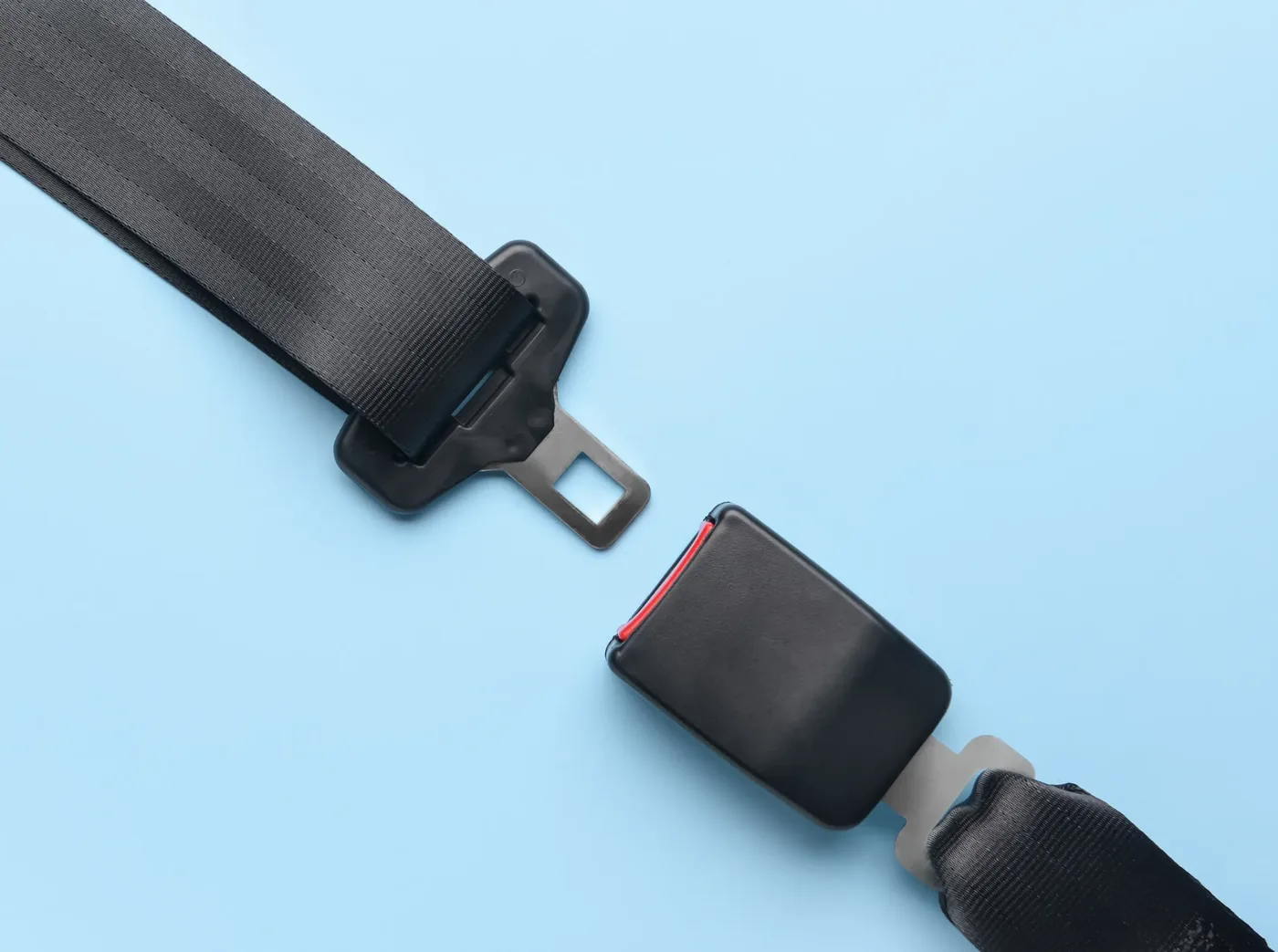
The complete restraint path supplied as one connected product — webbing, guide, tongue plate and buckle already matched to each other.
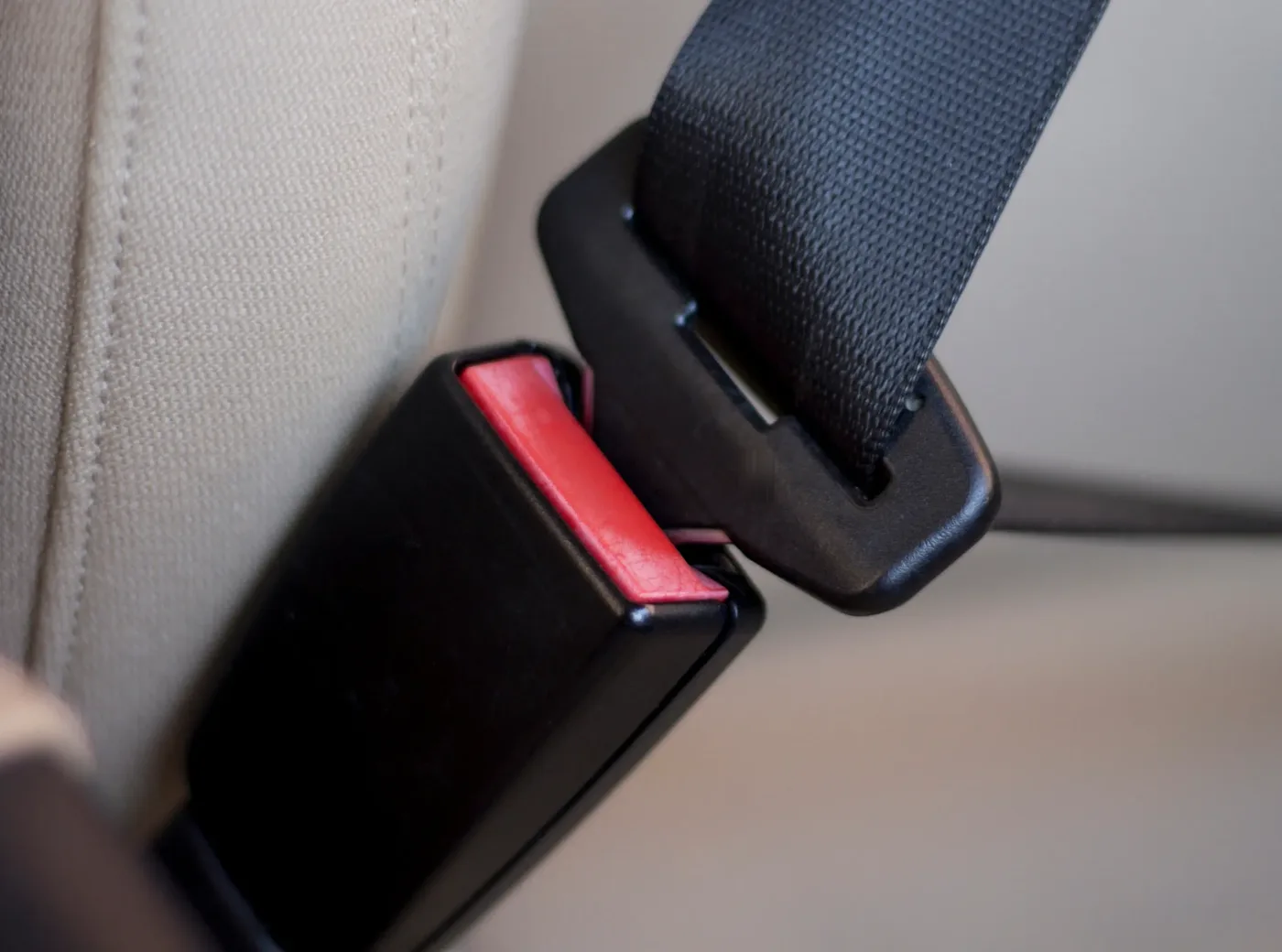
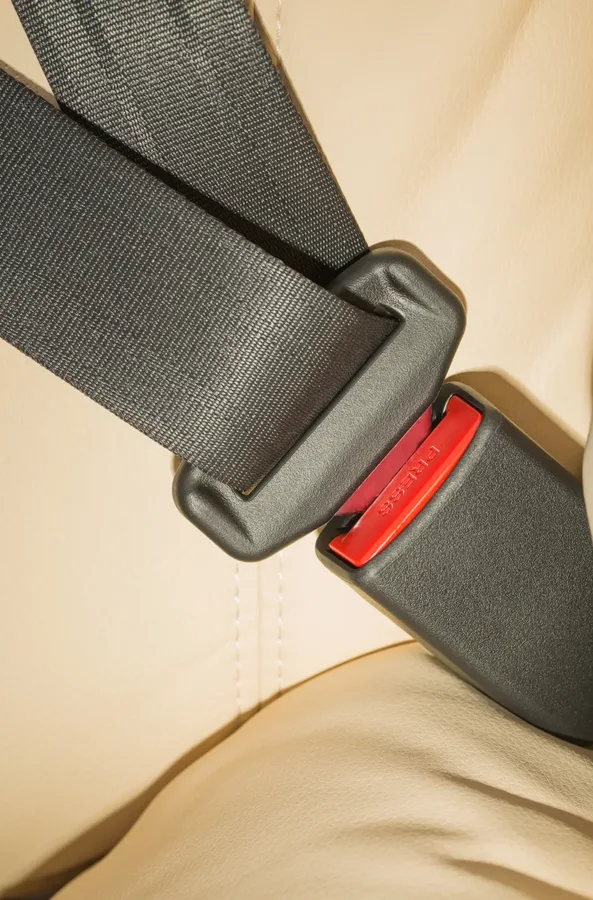
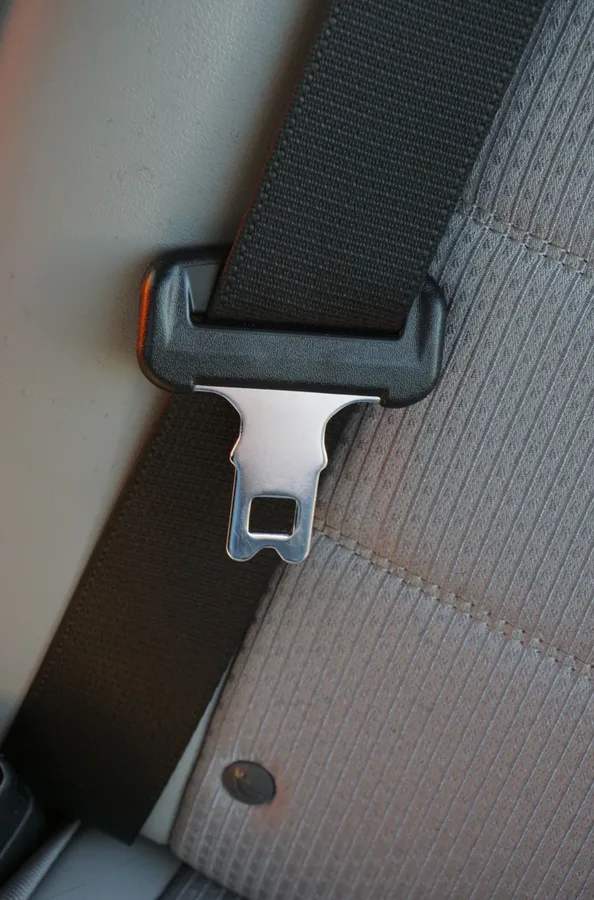
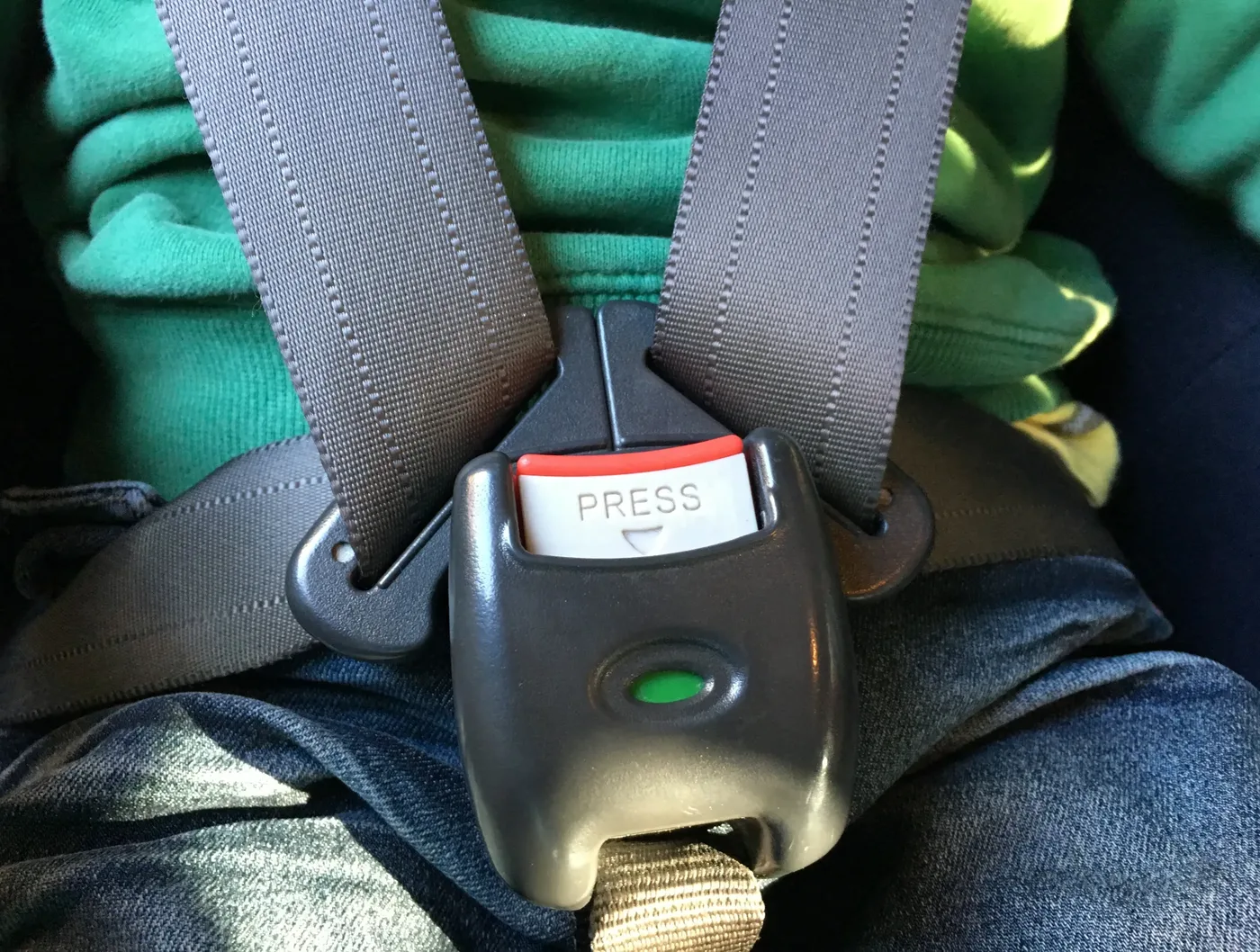
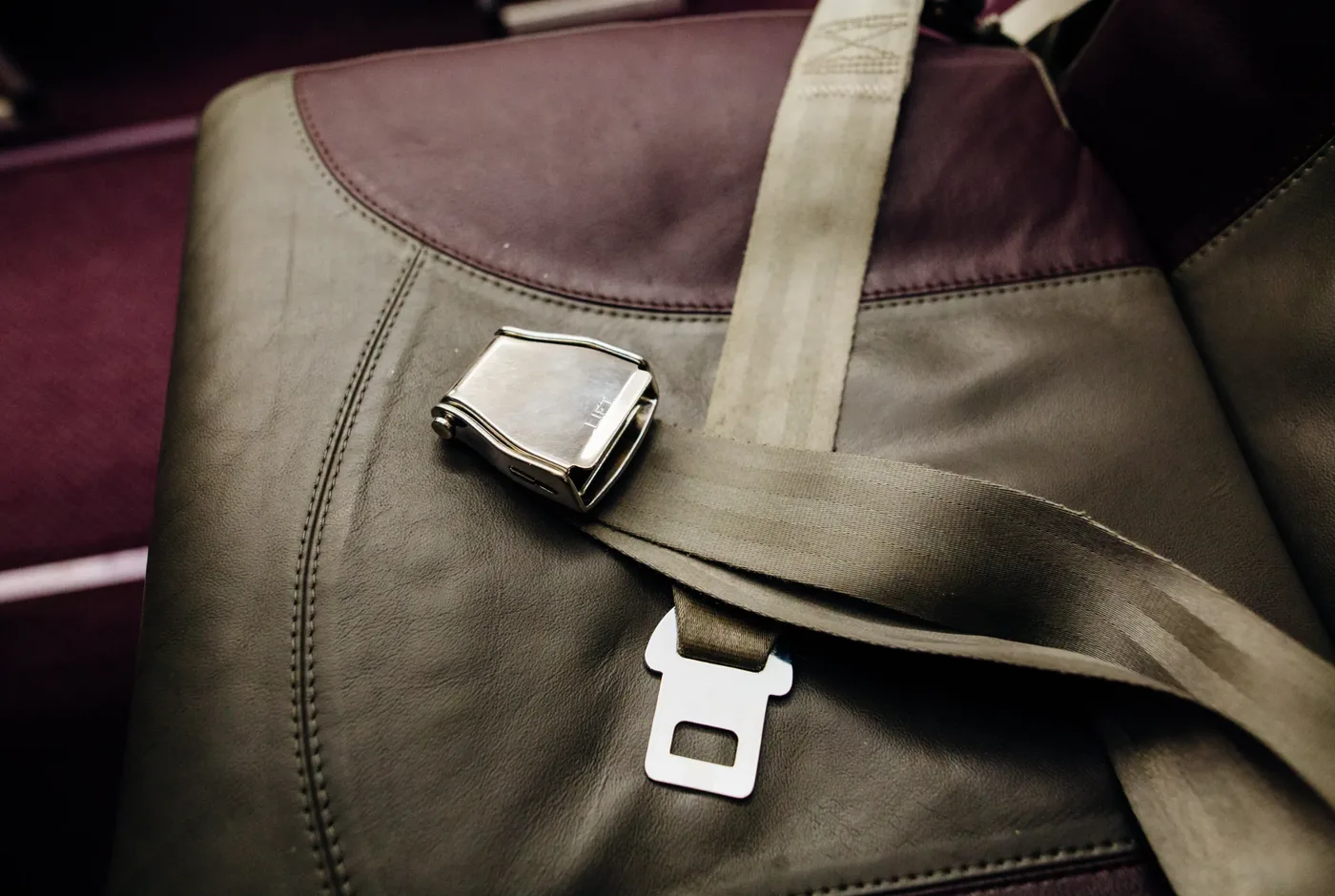
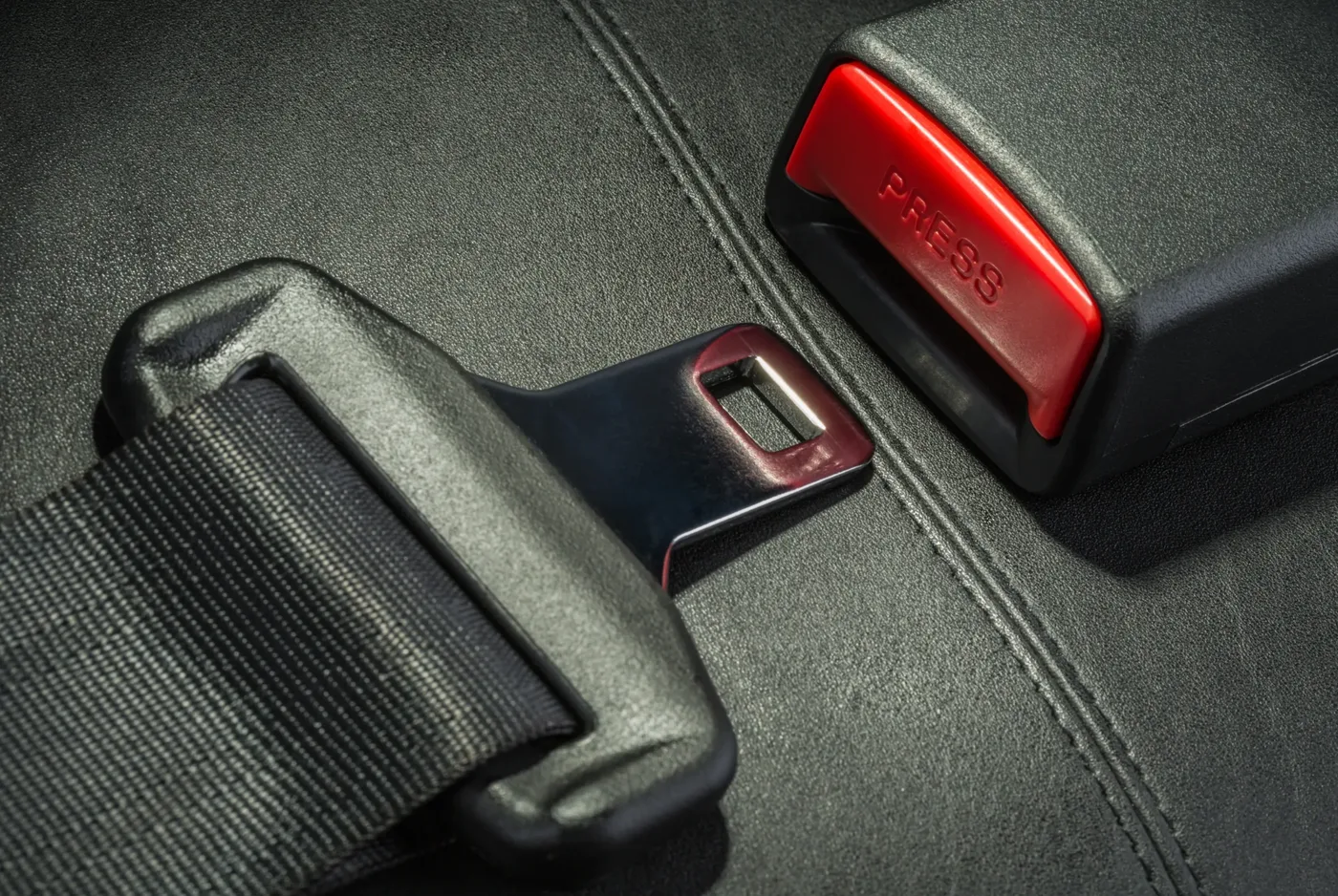
A seat belt assembly is not a bundle of parts that happen to be sold together. It is a single load path with several designed interfaces along it, and supplying it as an assembly means those interfaces have already been considered as a set: how the webbing feeds through the guide, how the tongue plate travels along the band, how it seats in the buckle, and how the whole run behaves once it is anchored into a specific structure.
The alternative — assembling a belt from individually sourced components — is workable when every mating relationship is verified. It becomes risky when it is not, because parts that were never designed as a pair will often still fit together. That is the failure mode assemblies are designed to remove.
Key characteristics
- Continuous load path from anchorage to anchorage
- Interfacing components matched to one another
- Two-point and three-point belt paths, depending on seating position
- Configured against a defined anchorage arrangement
Potential applications
- Driver and front passenger positions
- Outboard and centre rear seating positions
- Commercial and fleet vehicle cabins
- Purpose-built and adapted vehicle seating
Selection considerations
Vehicle type, seating position, anchorage arrangement, belt routing and available clearance. Where an existing belt is being replaced, details of what is currently fitted materially shorten the process.