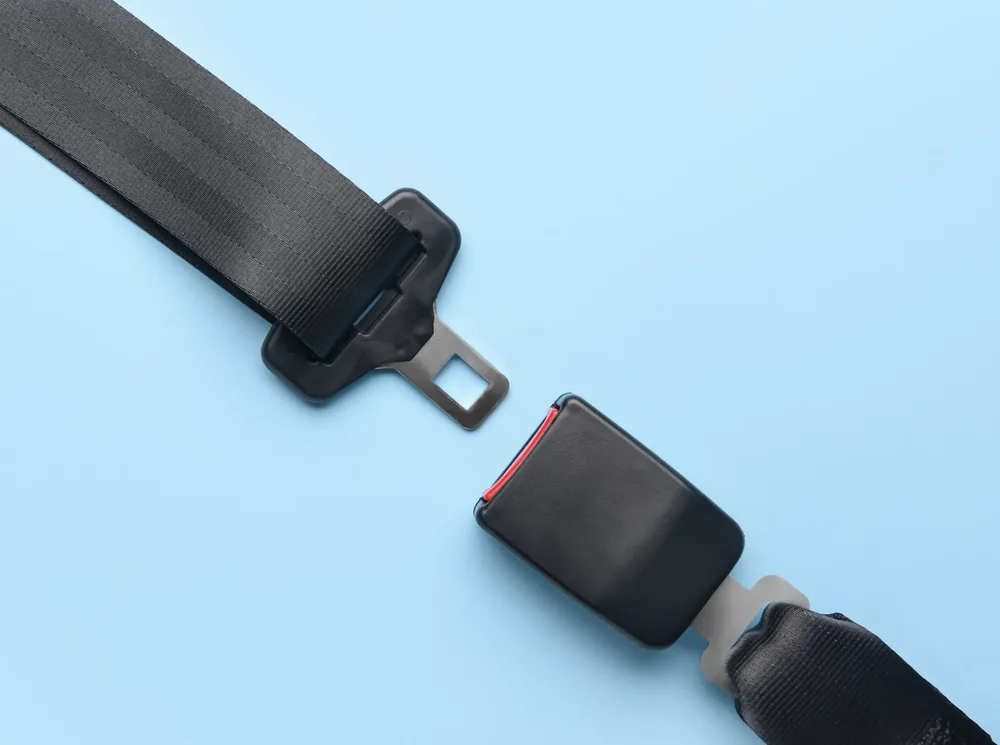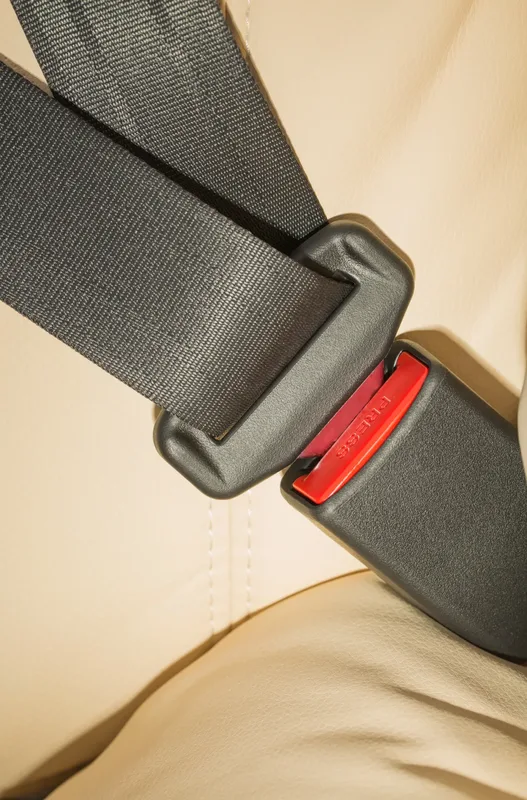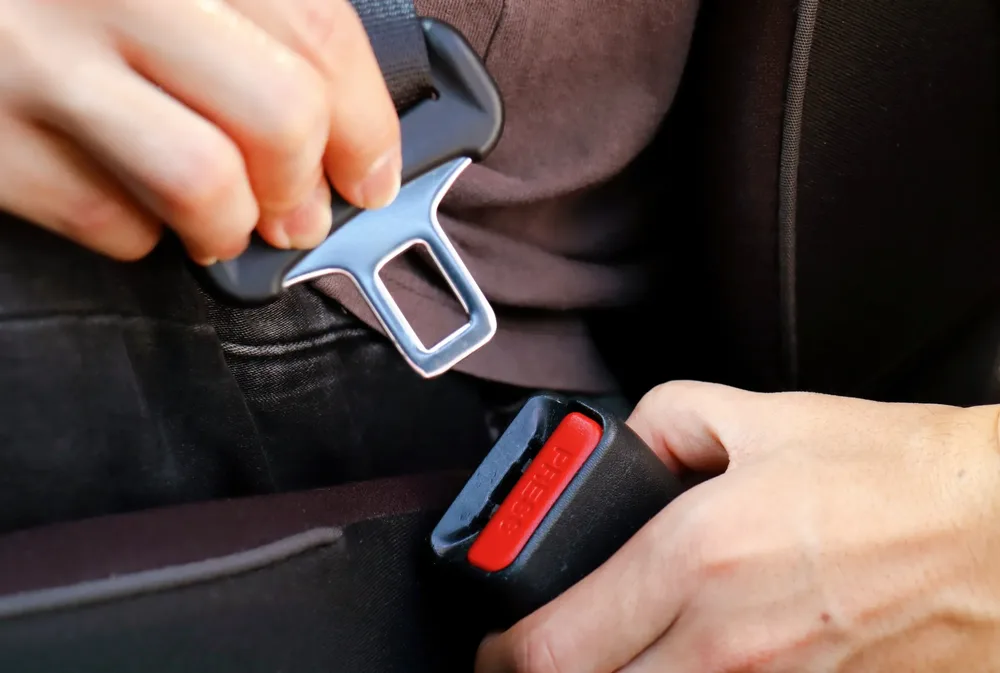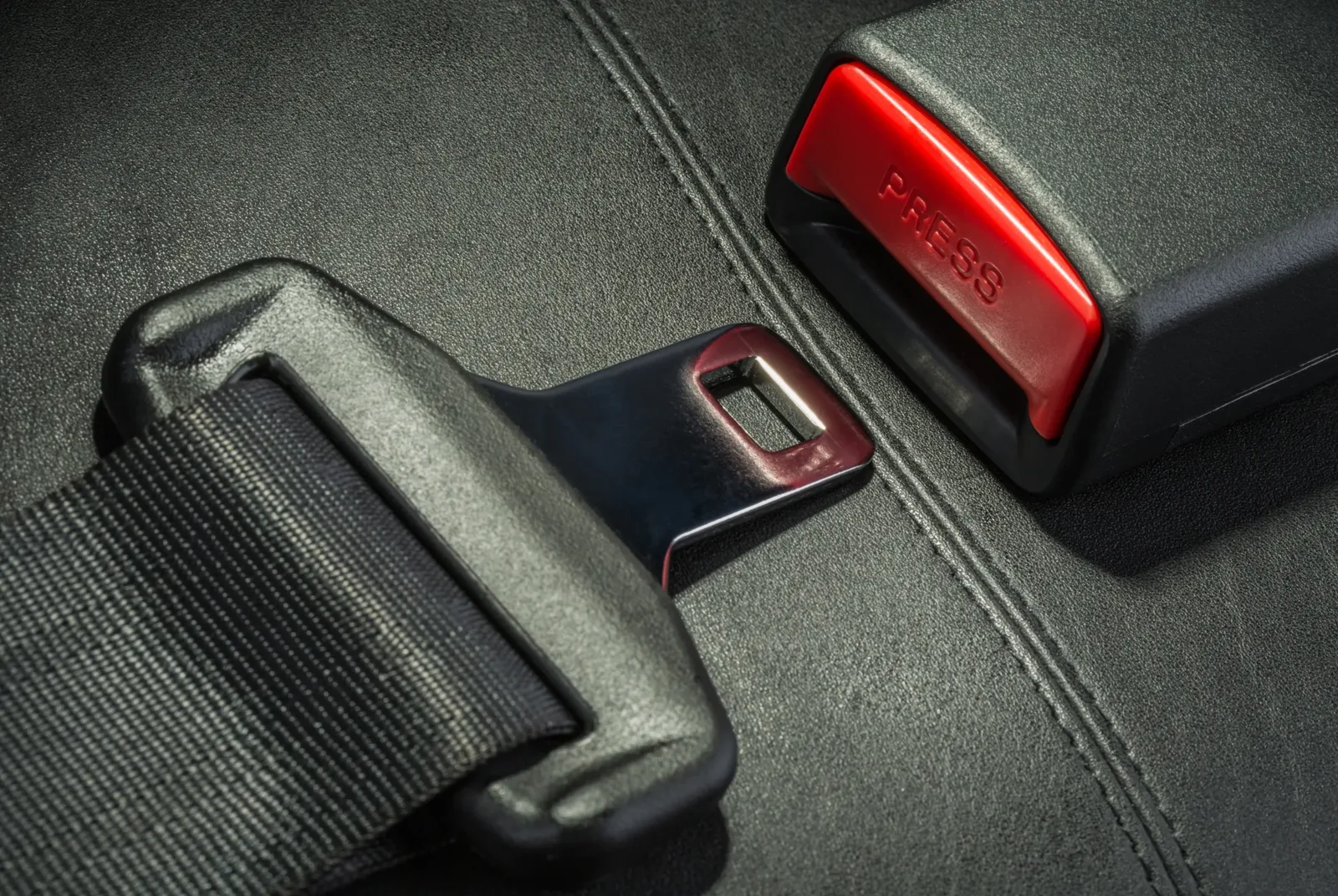
Ask someone to describe how a seat belt works and they will usually describe the webbing and the buckle. The retractor rarely gets mentioned, which is a fair reflection of how invisible it is in use and a poor reflection of how much it determines. Almost everything a person notices about a belt day to day — how easily it comes to hand, whether it returns cleanly, whether it holds position — is the retractor’s doing.
The problem a retractor solves
Before retractors, belts were adjusted manually. The occupant pulled webbing to the right length, fastened it, and tightened the fit by hand. It worked, and it was tedious. When released, the webbing simply stayed where it was, so the next occupant frequently began by untangling a slack strap from the seat.
Tedium in a safety routine is not a trivial complaint. A routine performed several times a day, by everyone, has to be almost effortless — because any friction in it makes skipping it slightly more attractive, and small changes in likelihood accumulate across millions of journeys.
The retractor removed the manual step entirely. Reach, pull, fasten. Release, and the belt puts itself away. It is worth appreciating that this was primarily a usability improvement rather than a structural one — and that it is precisely because of the usability improvement that it mattered so much.
Storage and take-up
At its core, a retractor holds webbing wound on a spool, with a spring arrangement biasing the spool towards winding in. Two consequences follow, and they cover most of everyday behaviour.
First, webbing can be drawn out against that bias. When the occupant reaches for the belt and pulls it across the body, they are simply overcoming the take-up force.
Second, whenever webbing is not being held out, the bias pulls it back. This is what removes slack once the belt is fastened, keeping it lying against the occupant rather than hanging loose — and what returns the whole belt to its stowed position on release.
The balance in take-up force
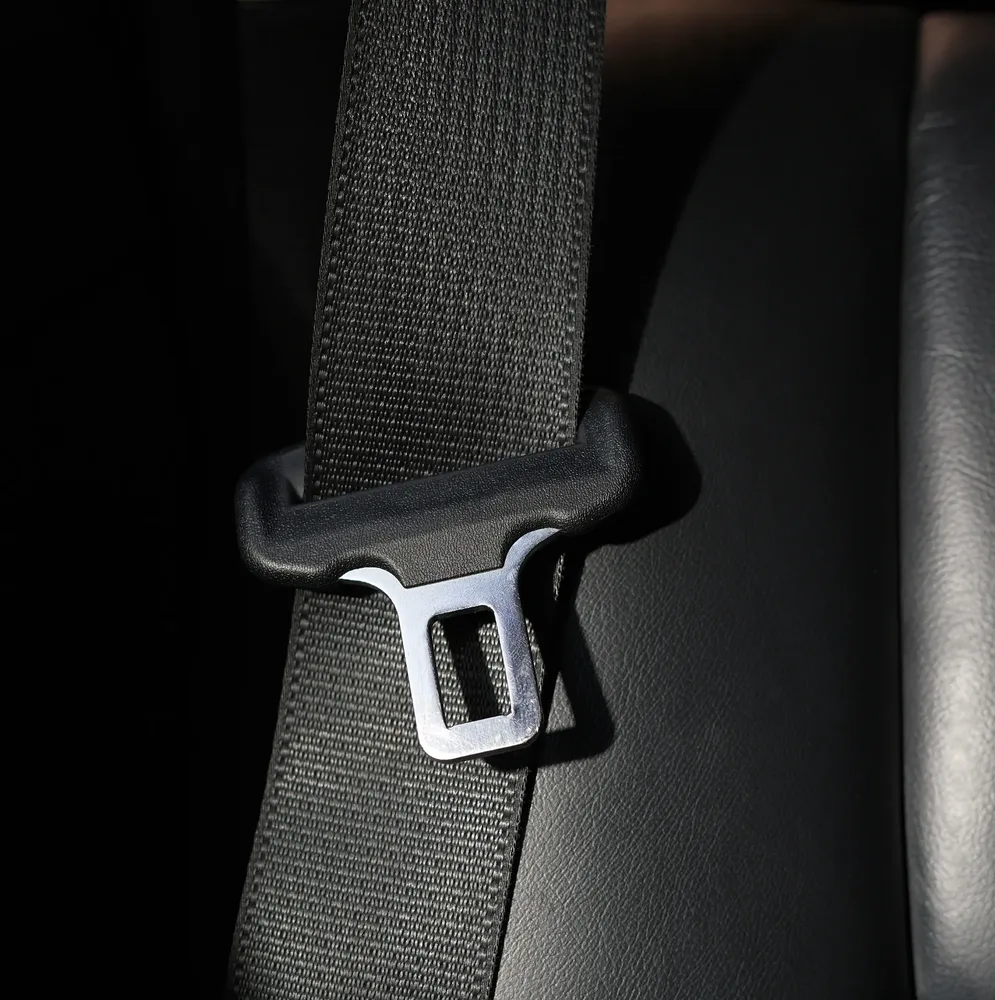
The magnitude of that take-up force is a real design decision with a real trade-off. Too little and webbing returns lazily, leaving slack across the seat and stopping short of full retraction. Too much and the belt feels as though it is constantly tugging at the occupant, which is uncomfortable on a long journey and encourages people to introduce slack deliberately — defeating the purpose. Getting this balance right is one of the less obvious reasons a belt feels well engineered or does not.
Locking: two ways of noticing
A retractor that only stored and returned webbing would not restrain anything, because webbing would continue to pay out whenever it was pulled. So retractors incorporate a locking function that restricts extraction under certain conditions.
Broadly, two kinds of condition are used to trigger locking, and many retractors respond to both.
Webbing-sensitive locking
The mechanism responds to how quickly webbing is being drawn from the spool. Gradual extraction — leaning forward to reach a control — passes without interruption. Rapid extraction causes the mechanism to engage and restrict further pay-out. This is the behaviour most people have experienced directly: pull the belt slowly and it comes out; snatch it and it stops.
Vehicle-sensitive locking
The mechanism responds to a change in the vehicle’s motion rather than to the webbing. A sensing element within the retractor reacts to sharp deceleration or to a change in the vehicle’s attitude, engaging the lock regardless of what the webbing is doing at that instant.
The two approaches are complementary. Webbing-sensitive locking responds to what the occupant is doing; vehicle-sensitive locking responds to what the vehicle is doing. Together they cover circumstances that either alone would miss.
Emergency locking and automatic locking
Two operating modes are commonly described in relation to retractors, and the distinction is practically useful.
An emergency locking retractor allows webbing to be drawn out freely under normal conditions and locks only when a triggering condition occurs. This is the arrangement most familiar in everyday occupant use, because it permits comfortable movement while remaining fastened.
An automatic locking mode behaves differently: once webbing has been drawn out and then allowed to retract, the retractor permits retraction but not further extraction, holding the belt at whatever length has been reached. This produces a belt that progressively tightens and will not loosen — behaviour that is unsuitable for ordinary occupant comfort but useful for securing something firmly in position.
Which arrangement applies to any specific installation is a property of that vehicle and that system, and should be confirmed against the vehicle manufacturer’s documentation rather than assumed from general description.
Why retractor feel matters more than it sounds
It is tempting to treat smoothness as a comfort concern and therefore secondary. In restraint systems that separation does not hold, for a reason worth spelling out.
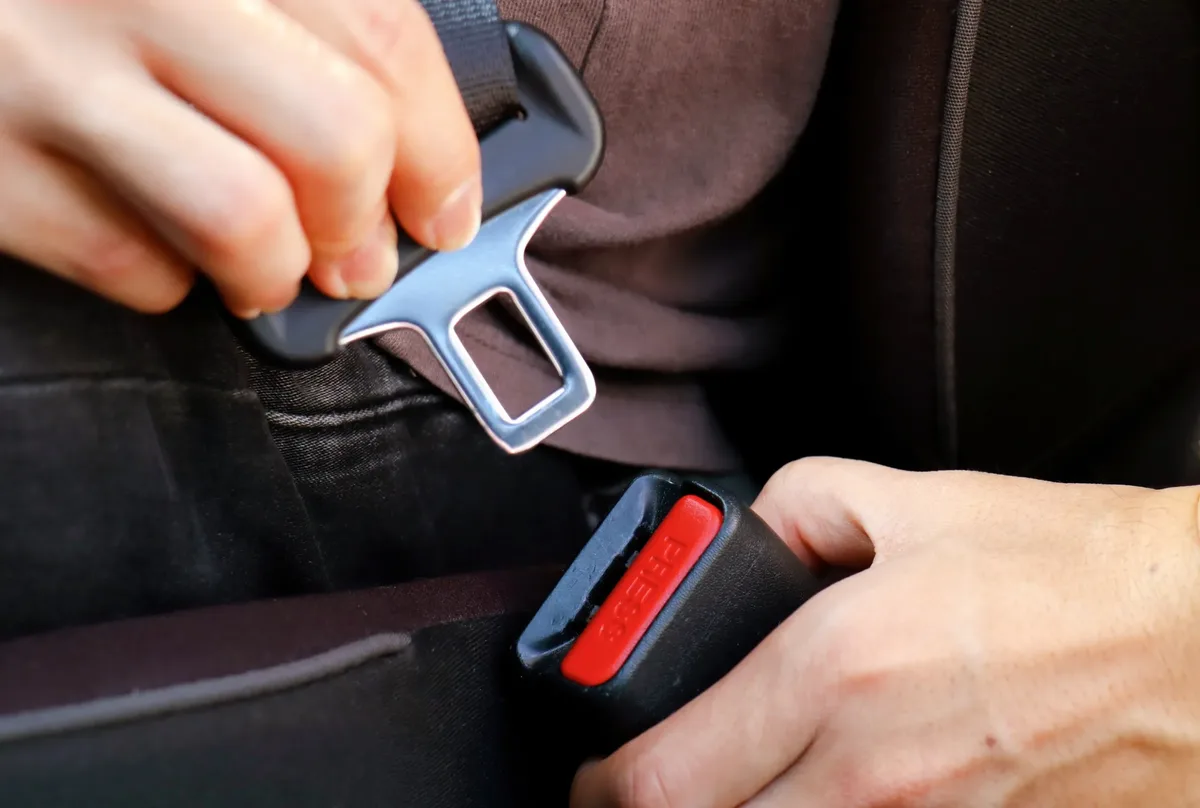
A belt that pays out reluctantly makes reaching for it fractionally more effortful. A belt that returns sluggishly leaves webbing in the way of the next occupant. A belt that grabs during ordinary movement teaches the user to move carefully around it, or to introduce slack so it stops interfering. None of these is a failure. All of them make correct use very slightly less likely, every single time.
Because the belt is used so frequently, small frictions have a large aggregate effect. This is why retractor behaviour is treated as a functional characteristic in specification rather than as a refinement.
What actually drives retractor selection
In practice, retractor selection is dominated by physical constraints rather than by performance description.
- Mounting envelope — the space available in the pillar or seat structure. This is usually the hardest constraint and the fastest way to narrow the field.
- Mounting orientation and angle — retractors are designed to be mounted within a particular range. Fitting one outside that range can affect how internal sensing elements behave.
- Webbing width — the retractor has to accept the webbing specified for the belt path.
- Webbing exit direction — the direction webbing leaves the unit has to agree with the intended routing, or the belt will not run correctly to the guide.
- Duty expectation — how frequently the belt will be cycled, which differs sharply between private and high-use commercial vehicles.
These are properties of the installation as much as of the component, which is why a description of the vehicle and seating position moves a retractor conversation forward faster than a general specification does. Our retractor systems overview covers this from the product side.
When a retractor is behaving differently
Because retractor behaviour is so consistent in normal use, changes in it are relatively noticeable — which makes it a useful thing to pay attention to.
Webbing that no longer retracts fully, returns sluggishly, or needs to be fed back by hand is behaving differently from how it was designed to. A belt that locks during ordinary gentle movement, or that seems reluctant to release its lock, is likewise not doing what it should.
None of these observations diagnoses a cause, and none should be reasoned away. A retractor is a sealed mechanism; its internal condition cannot be assessed visually. Where behaviour has changed, the appropriate response is assessment by a qualified person in line with the vehicle manufacturer’s guidance. General inspection awareness is covered separately.
Frequently asked questions
Many retractors include webbing-sensitive locking, which responds to the rate at which webbing is drawn from the spool. Gradual extraction passes freely; rapid extraction engages the mechanism and restricts further pay-out. It is normal behaviour, not a fault.
An emergency locking retractor allows free extraction under normal conditions and locks only when a triggering condition occurs, which suits everyday occupant use. In an automatic locking mode, once webbing has been extracted and allowed to retract, the retractor permits retraction but not further extraction — holding the belt at a fixed length. Which applies to a given vehicle should be confirmed against its own documentation.
It means the retractor is behaving differently from how it was designed to. The cause cannot be determined visually, because the mechanism is enclosed. The appropriate step is assessment by a qualified person following the vehicle manufacturer’s guidance rather than continuing to use it while it behaves that way.
Principally physical constraints: the available mounting envelope, the mounting orientation and angle, the webbing width it must accept, and the direction in which webbing has to exit to suit the intended belt path. Expected duty cycle is also relevant, particularly for commercial applications.
A note on scope
This article provides general educational information about seat belt systems and their components. It does not constitute regulatory, safety or engineering certification advice for any specific vehicle. For any particular vehicle or restraint system, the manufacturer’s own documentation, inspection guidance and replacement criteria are the authoritative source and should always be followed.