About us
We think about seat belts the way they are built — from the inside out.
- Focus
- Seat belt assemblies, buckles, retractors, webbing and restraint components
- Perspective
- Manufacturing-led, application-oriented, quality-conscious
- Approach
- Understand the installation first; specify the product second
Introduction
Seat Belt Manufacturing Company exists to take restraint hardware seriously.
Automotive safety systems are unusual in that almost everyone interacts with them and almost nobody examines them. A seat belt gets fastened, held, released — and then forgotten until the next journey. Our work sits behind that everyday, unremarkable reliability.
We work with seat belt assemblies, buckle components, retractor systems, webbing and the hardware that connects them. The common thread is a manufacturing perspective: an interest in how a component is made, what it mates with, and whether it can be produced the same way repeatedly. That perspective shapes every recommendation we make, because in restraint hardware the difference between an acceptable product and a dependable one is rarely visible in a photograph. It shows up in tolerances, in interfaces, and in whether the hundredth unit behaves like the first.
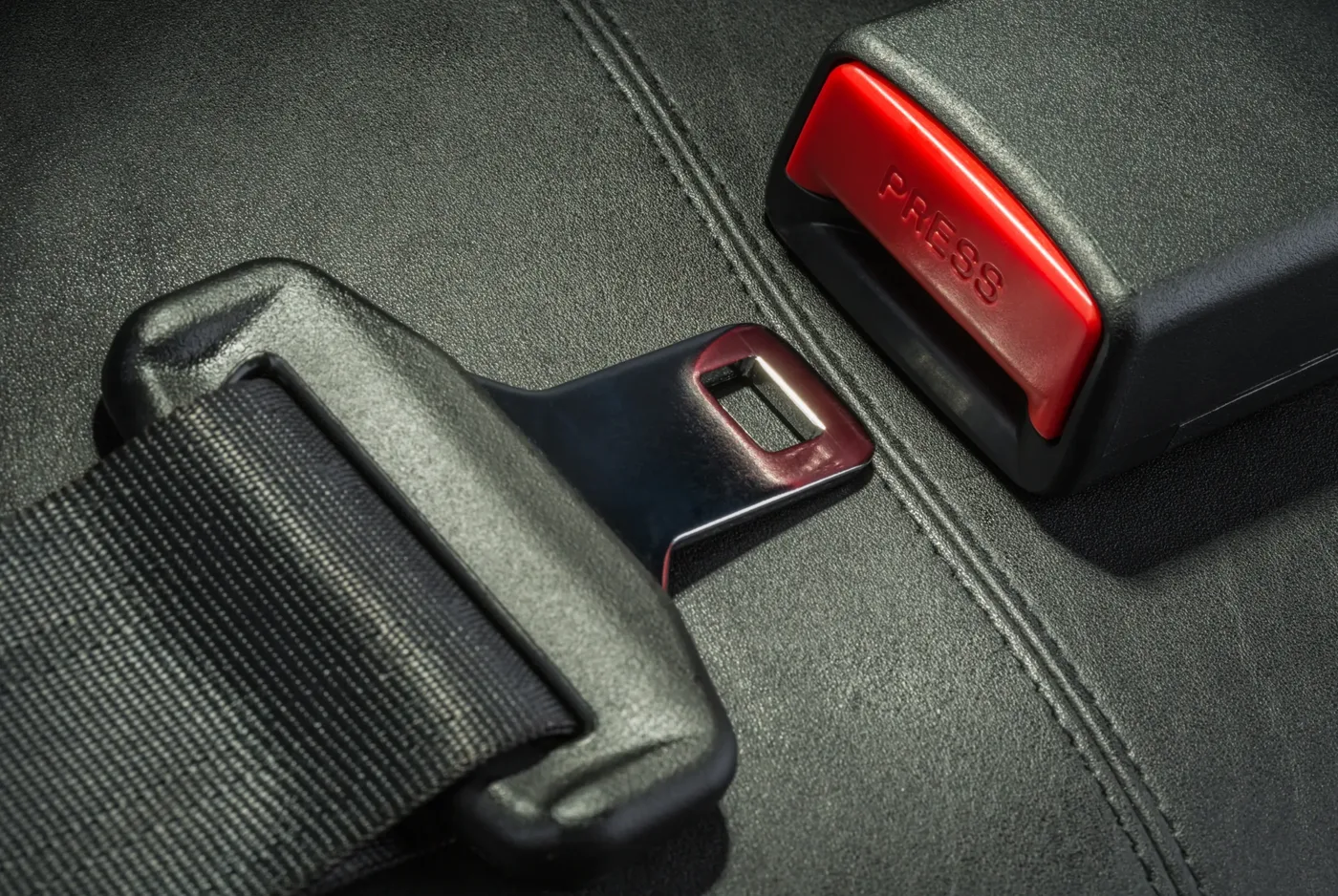
Fig. 01 — The assembled interface: webbing, tongue plate and buckle in their working relationship
Business perspective
What a manufacturing-led view changes.
A supplier who thinks like a manufacturer asks different questions — and asks them earlier. These four shifts describe how that plays out in practice.
- 01Interfaces come up before part numbersThe first useful question is rarely “which product?” It is “what does it have to connect to?” Anchorage arrangement, mating buckle, webbing width and belt routing narrow the field far faster than a catalogue search, and they surface incompatibilities while they are still cheap to fix.
- 02Repeatability is treated as a specificationAnyone can produce one good assembly. The engineering problem is producing the same assembly consistently — same routing, same orientation, same build sequence — so that variation between units stays small enough not to matter.
- 03Application detail is worth the extra conversationTen minutes spent understanding the vehicle, the seating position and how the belt will actually be used routinely saves far more time than it costs. It is the single most reliable way to avoid a specification that is technically correct and practically wrong.
- 04What we do not know is stated plainlyWhere something depends on information we have not been given — a specific vehicle’s anchorage geometry, a particular regulatory requirement, a documented test result — we say so rather than filling the gap with a confident-sounding assumption.

Fig. 02 — The belt in use: geometry, comfort and ease of fastening all influence whether it is used correctly
Focus on automotive safety systems
A component that is uncomfortable or awkward is a component that gets used badly.
Restraint engineering has an unusual constraint: the product only works if a person chooses to use it, and uses it correctly. That makes human factors a genuine engineering input rather than a styling concern.
Webbing that runs roughly through a guide, a tongue plate that is hard to locate by feel, a buckle that needs a second attempt, a retractor that hesitates on return — none of these are catastrophic on their own. Each one, though, makes the correct use of the system very slightly less likely, and those small frictions accumulate across every occupant and every journey.
So when we look at a component, we are looking at two things at once: whether it carries load the way it should, and whether it makes the right behaviour the easy behaviour. A restraint that people fasten willingly, quickly and properly is doing part of its job before anything else happens.
Ease of correct use is not a comfort feature. It is part of how the system performs.
Manufacturing & engineering context
Four areas where attention is repaid.
- Dimensional discipline
- Slot positions, plate profiles, webbing widths and guide apertures are dimensional relationships. Holding them steady is what keeps engagement quality steady.
- Material behaviour
- Woven webbing, formed metal and moulded polymer each respond differently to load, temperature and repeated handling. A good assembly respects all three.
- Assembly sequence
- The order in which components are brought together affects routing, orientation and how easily errors can occur. A defined sequence removes a whole class of variation.
- Verification against spec
- Reviewing finished assemblies against the agreed configuration — right parts, right arrangement, clean engagement and release, sound workmanship.
A note on what we claim
This page describes how we approach the work. It deliberately does not list production capacities, facility details, certifications, test results or client names. Where a project requires documented evidence of a particular process, standard or evaluation, that requirement is defined and agreed at the outset rather than implied here.
The importance of precision
In restraint hardware, tolerance is a functional characteristic.
There is a tempting way to think about precision — that it is about looking well made. In restraint components it is nothing of the sort. Precision here is about whether two parts that were designed to work together actually do so, every time, across every unit produced.
Consider the tongue plate and buckle. Their relationship depends on plate thickness, on where the locking slot sits relative to the plate edge, on how the buckle’s internal mechanism engages that slot. Each of those has a designed value and an acceptable range. Stay inside the range and engagement is positive and consistent. Drift outside it and you can still get a latch — but it is no longer the engagement that was designed, and the difference is not something an occupant can detect.
That invisibility is exactly why the discipline matters. In many products, a manufacturing deviation announces itself: something rattles, sticks, or looks wrong. In restraint hardware, a deviation can hide behind a perfectly normal-sounding click. The only defence is to control the dimensions in the first place and to verify what was built against what was specified.
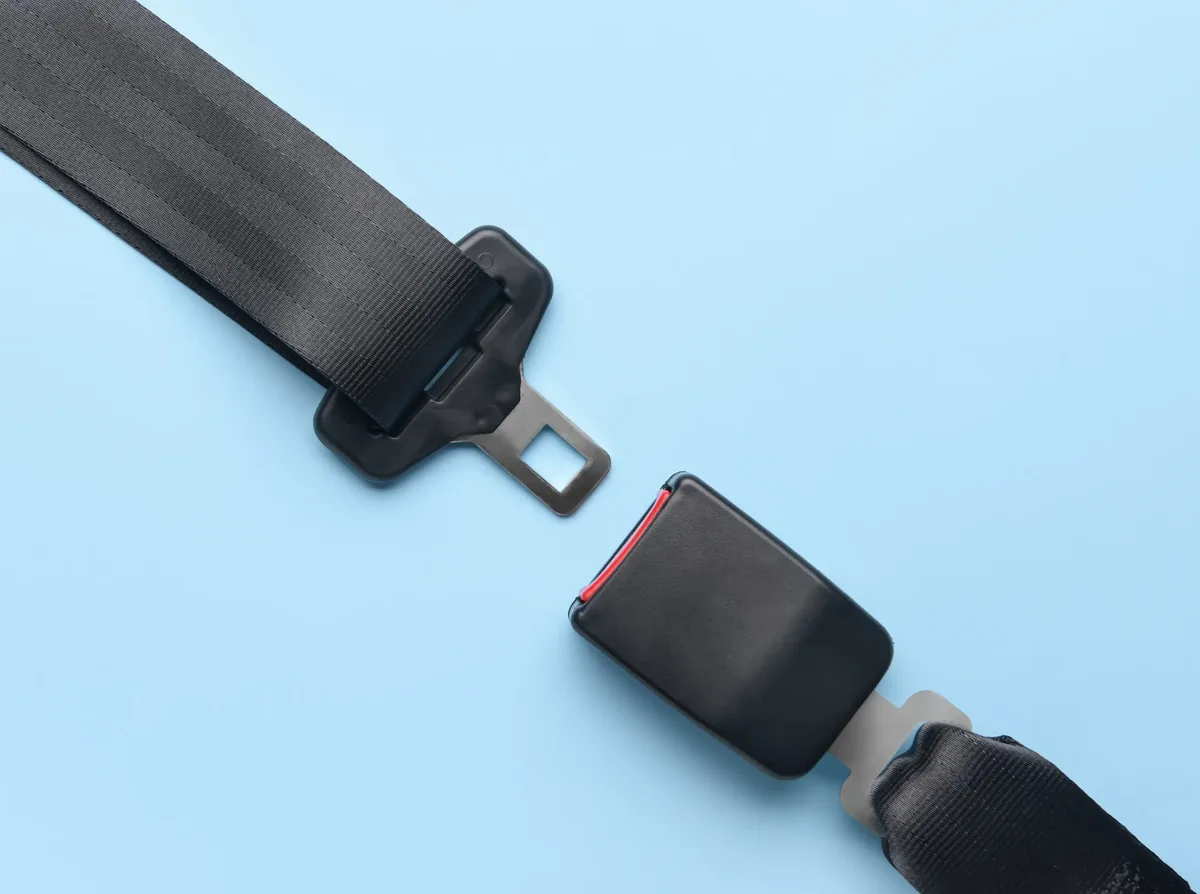
Fig. 03 — Separated for clarity: the two halves of an engagement designed as a matched pair
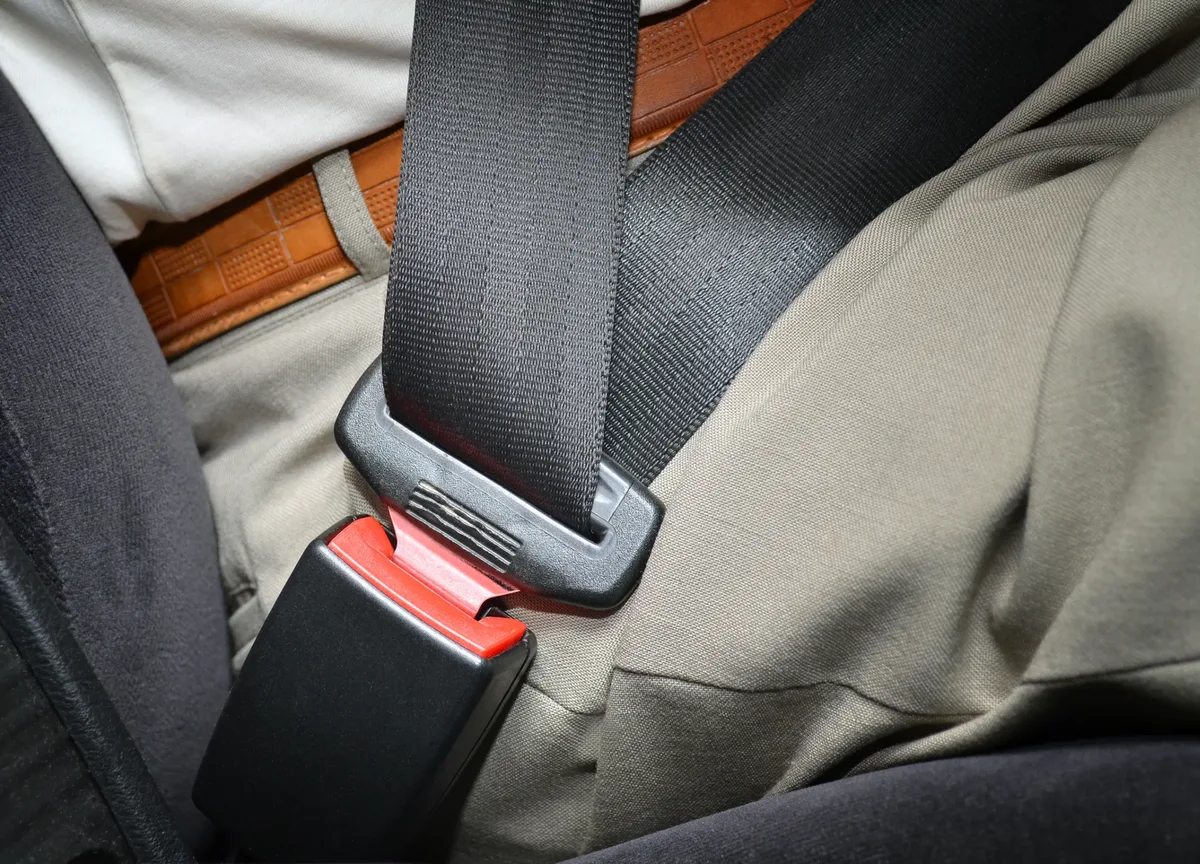
Fig. 04 — Belt geometry in the installed position, where specification meets reality
Product-focused, application-led
The vehicle asks the question. The product is the answer.
It is possible to sell restraint components purely by catalogue: identify a part, quote it, ship it. That works when the buyer already knows exactly what they need and why. It works far less well when a vehicle is being adapted, a seat is being changed, a position is being added, or a component has to be identified from what is currently fitted.
Our preference is to start at the other end. What vehicle is this? Which seating position? How is the belt anchored, and where does it run? What is currently fitted, and what is being changed? Is this one installation or a series? Once those are answered, the product conversation becomes short and specific, and the risk of an expensive mismatch drops sharply.
The same logic applies to quality-conscious thinking. Rather than treating quality as a badge applied at the end, we treat it as a set of decisions taken throughout — which components, matched how, assembled in what order, verified against what agreed definition. That is a less dramatic story than a slogan, but it is the one that holds up in the vehicle.
Start a conversation
Bring us the installation, not just the part number.
Vehicle type, seating position, anchorage arrangement, what is currently fitted and what is changing — that is usually enough for a genuinely useful first conversation.