Precision manufacturing for the systems that support vehicle safety

Seat Belt Manufacturing Company Enquire

Seat Belt Manufacturing Company

Engineering Safety
Into Every Connection.

A seat belt is only as dependable as the joints inside it — the point where webbing meets the tongue plate, where the tongue seats into the buckle, where the retractor hands over control. We build seat belt systems around those connections, treating precision, component compatibility and repeatable assembly as the foundation of a restraint that behaves the same way every single time it is used.

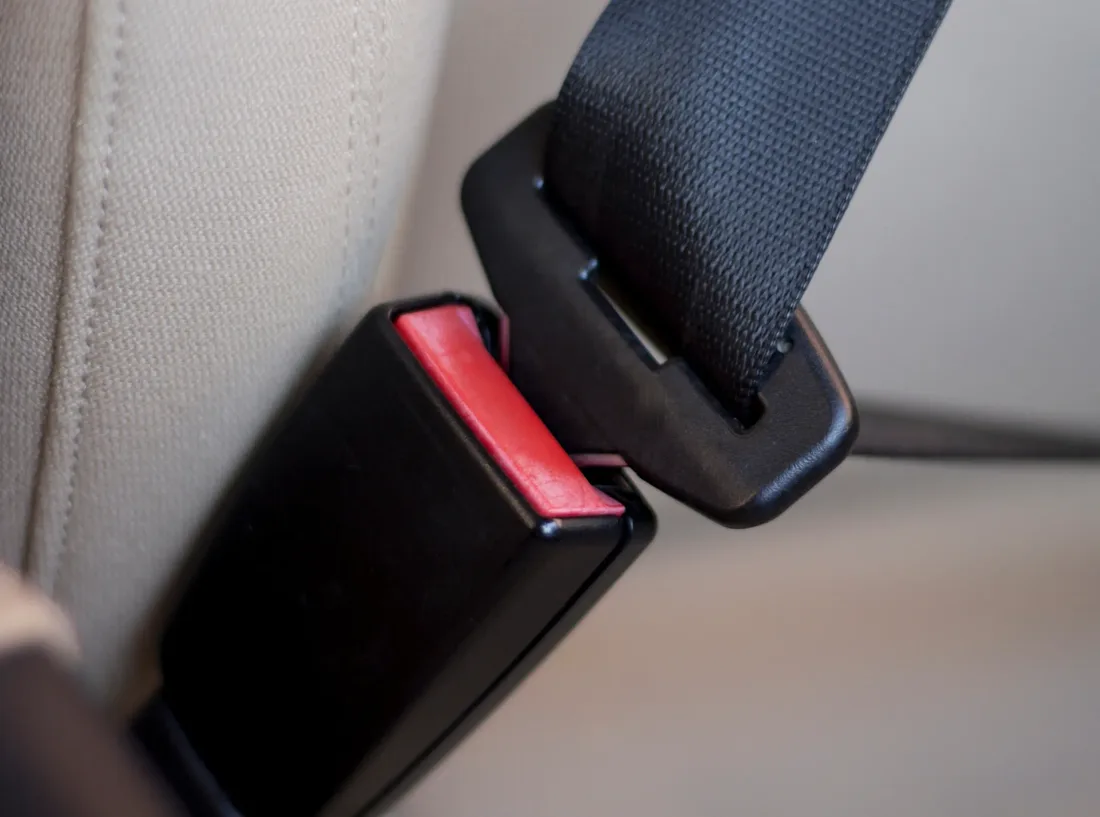
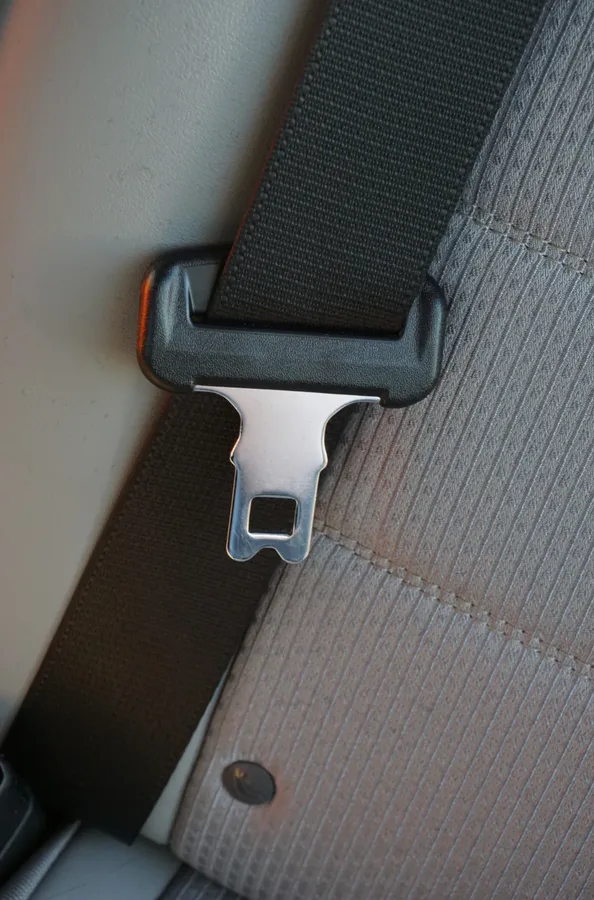
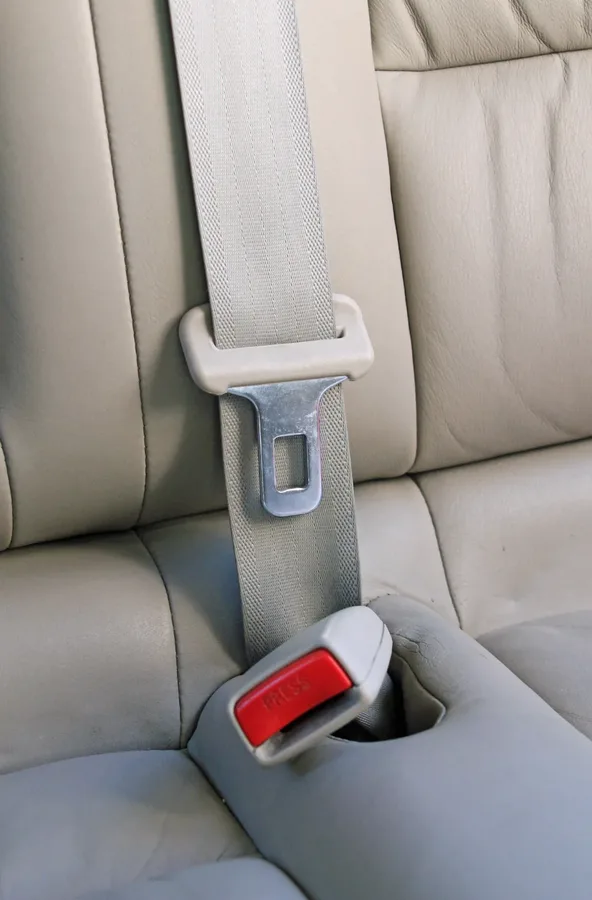
Seat belt webbing, tongue plate and red release buckle assembled on an automotive seat Fig. 01 — Webbing · Tongue · Buckle interface

The engineering perspective

A restraint system is a chain of decisions, not a single product.

Most of what determines whether a seat belt performs well happens before anyone fastens it — in how the parts were chosen, how they were matched to each other, and how carefully the assembly was put together. These are the considerations that shape our work.

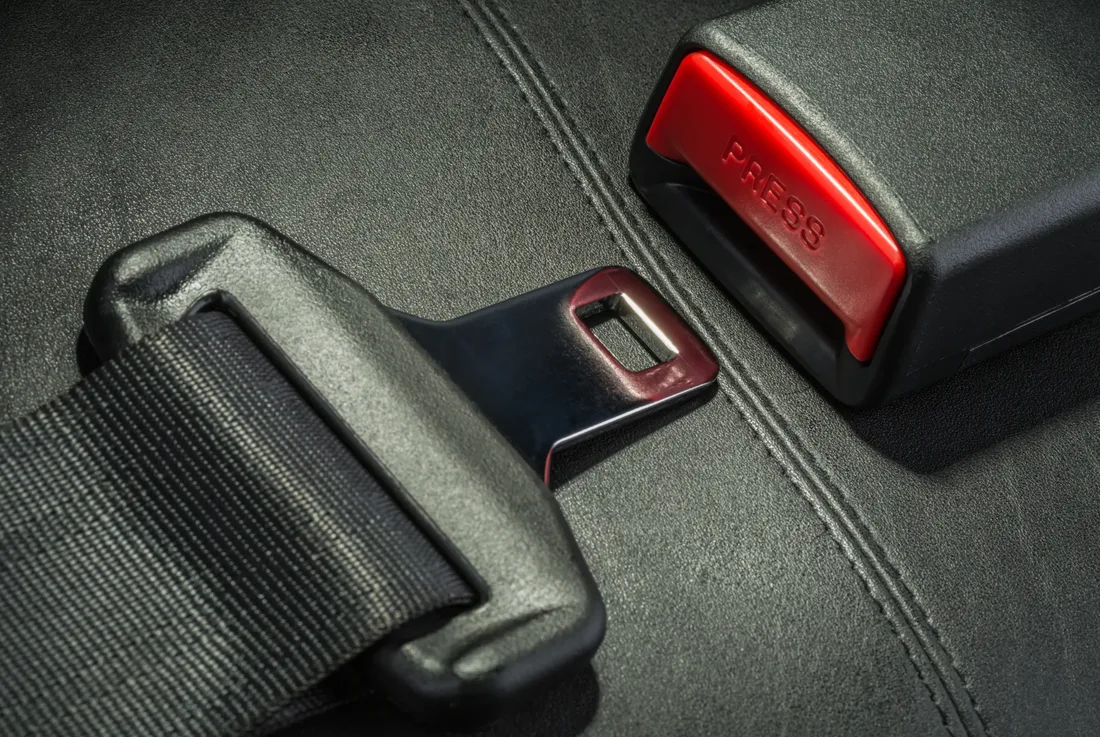
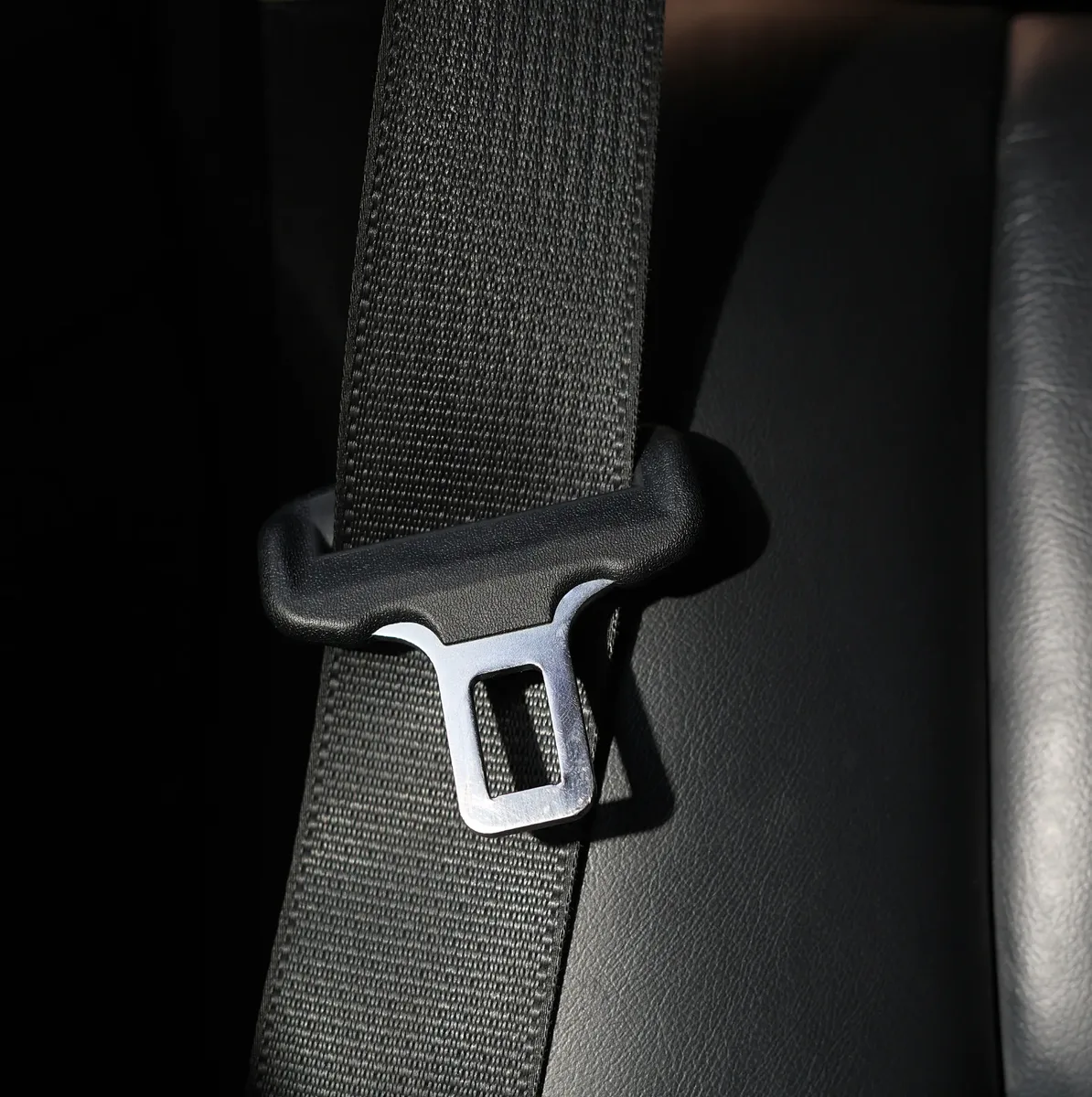
Black seat belt webbing and polished metal tongue plate photographed against a dark leather seat Fig. 02 — Load path detail
01

What a seat belt system is actually doing

A seat belt exists to keep an occupant connected to the vehicle structure and, in a sudden change of motion, to spread the resulting load across the strongest parts of the body over the largest practical area. Everything in the design follows from that: webbing is broad rather than narrow, anchorages tie into structural points, and the geometry of the belt path is arranged so that load is carried where the body can best accept it.

Framed that way, the belt stops being a strap and becomes a load-management route — one that has to survive being fastened and released thousands of times without its behaviour drifting.

02

Why engineering precision matters here

Small dimensional differences have outsized consequences in restraint hardware. A tongue plate slot a fraction out of position changes how positively it seats. Webbing a little wider than the guide it must pass through changes how the belt runs. A buckle whose internal geometry drifts from unit to unit changes how confident the engagement feels to the person using it.

None of these is dramatic on its own. Together they are the difference between a system that behaves predictably and one that does not — which is why dimensional discipline is treated as a functional requirement rather than a manufacturing nicety.

Consistency is not a by-product of good manufacturing. It is the product.

03

Component compatibility is not optional

Seat belt components are designed as mating pairs. A tongue plate is designed for a particular buckle. A retractor is designed around a particular webbing width and exit direction. Substituting one part for a superficially similar alternative can produce an arrangement that looks correct, latches audibly, and still does not engage the way the original pairing was designed to.

This is why component identification takes up so much of a serious technical conversation. Establishing exactly what mates with what, before anything is ordered or fitted, prevents the class of problem that is hardest to detect after the fact.

04

Materials and assembly considerations

Webbing has to be strong, but it also has to run smoothly, resist abrasion where it passes through guides, and stay comfortable enough that occupants keep it fastened. Metal hardware has to hold load without becoming so heavy or sharp-edged that it is unpleasant to handle. Moulded components have to hold their form across the temperature range a vehicle interior genuinely sees.

Assembly then has to bring these together the same way every time — the same routing, the same orientation, the same sequence — because the moment build varies, the product does too.

05

Application-specific requirements

A belt for an outboard rear seat with a folding backrest faces a different set of demands from one in a fixed driver position. A vehicle in continuous multi-shift service sees far more fastening cycles than a private car. A purpose-built industrial vehicle may have mounting structure that bears little resemblance to a standard automotive layout.

Understanding the application first — and only then discussing product — is consistently the shortest route to a specification that works in the vehicle rather than only on paper.
Product systems

Six component families. One connected restraint path.

Select a family to see what it does, where it sits in the belt path, and what tends to drive its selection. Every one of these is specified in relation to the components around it — never in isolation.

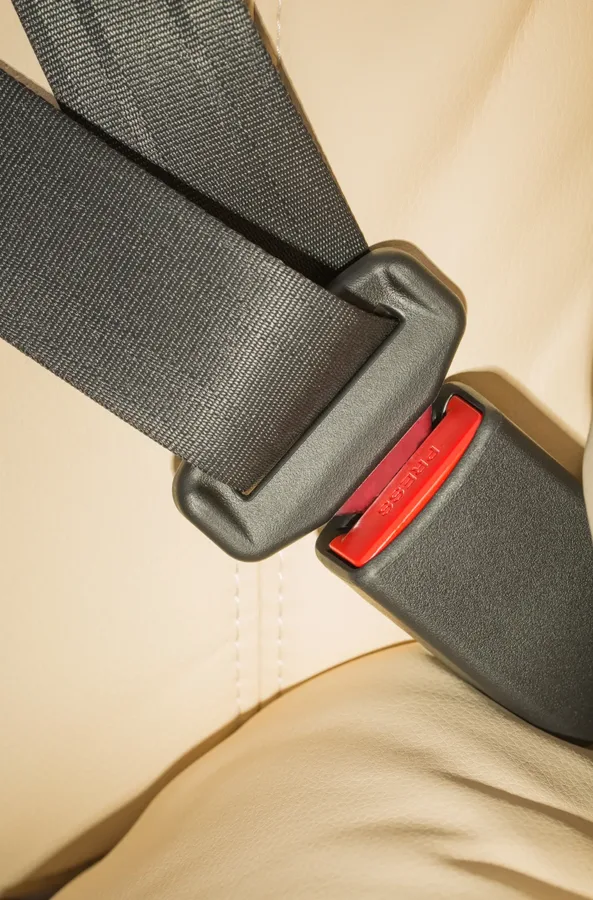
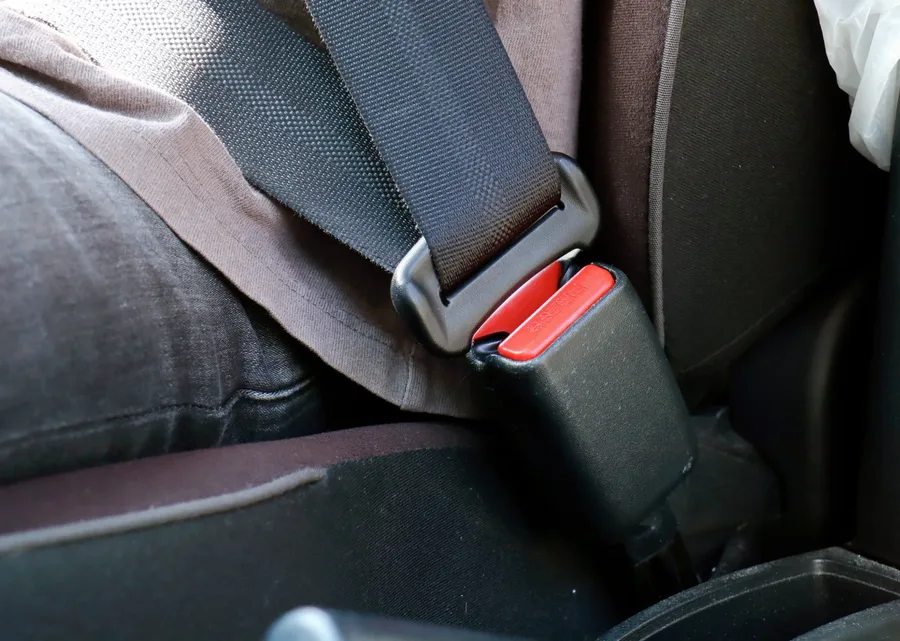
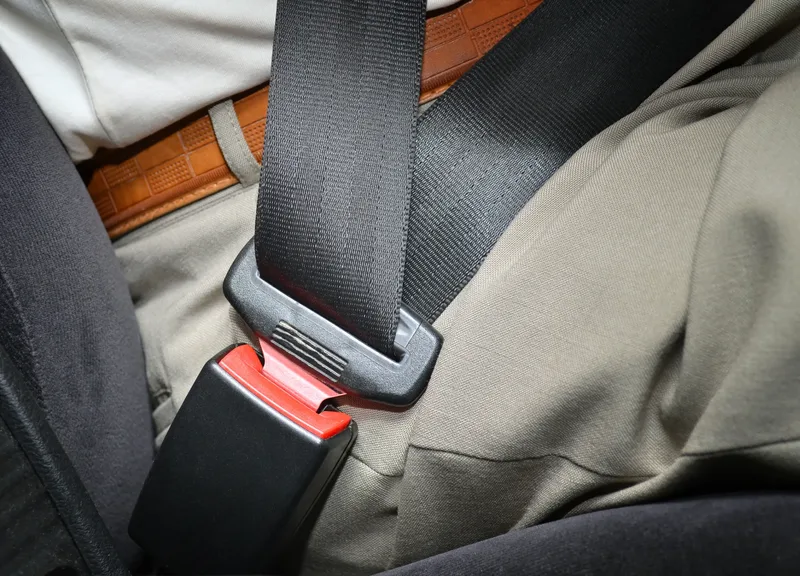
Complete seat belt assembly showing webbing, tongue plate and buckle housing on a dark vehicle seat Assembly · webbing + tongue + buckle
01 / Product system

Seat Belt Assemblies

A seat belt assembly is the complete restraint path — anchorage, webbing, guide, tongue plate and buckle working as one connected route. Supplying it as an assembly rather than a set of loose parts means the interfaces are considered together: how the webbing feeds through the guide, how the tongue seats in the buckle, and how the whole run behaves once it is mounted in a specific seat and body structure.

Configuration
Two-point and three-point belt paths, depending on the seating position and anchorage arrangement
Supplied as
Connected assembly with the interfacing components matched to each other

Assemblies are typically specified against a vehicle position — driver, front passenger, outboard rear or centre rear — because each position carries its own anchor geometry and belt path. Sharing that positional detail early is usually more useful than a part number alone.

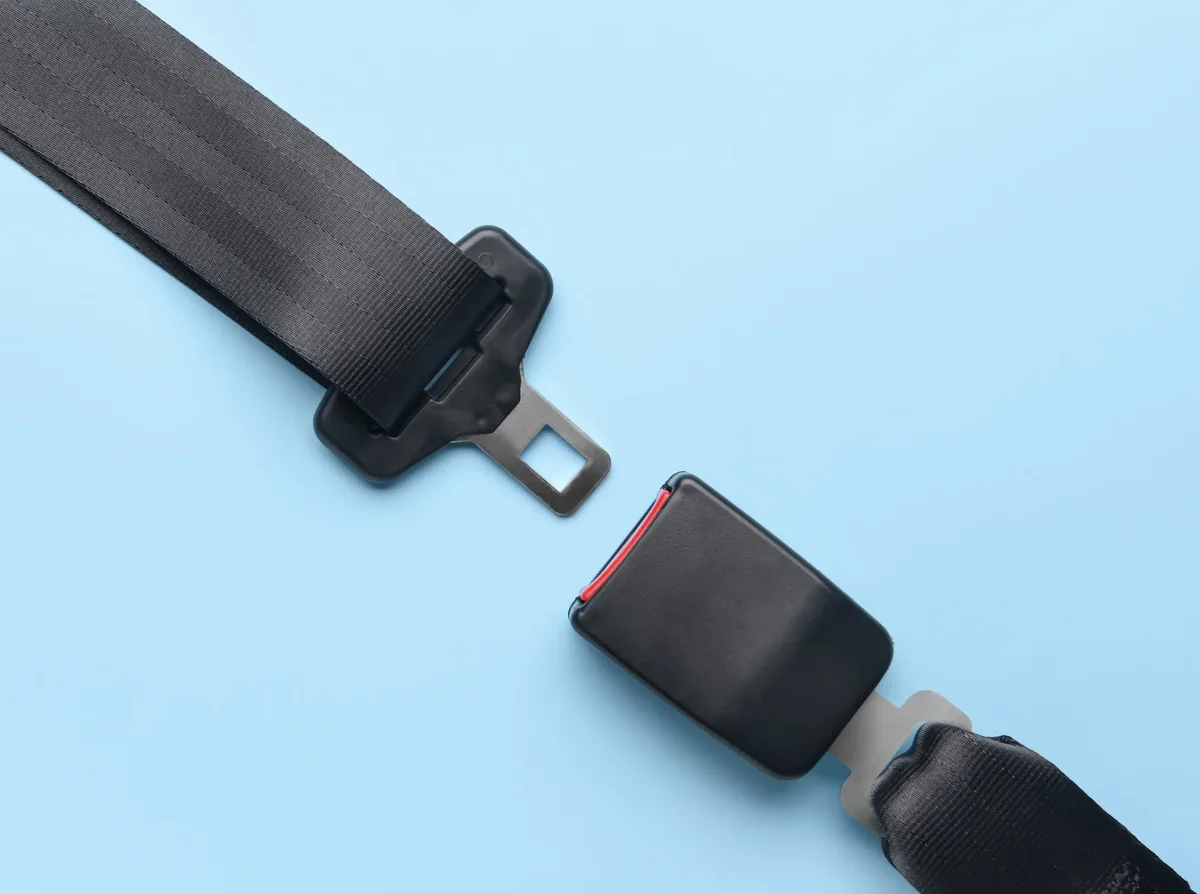
Seat belt tongue plate and buckle laid out separately on a light blue background, showing the engaging faces Retractor & belt path components
02 / Product system

Retractor Systems

The retractor is the part of the system that stores webbing, allows it to be drawn out as the occupant moves, and takes up slack when it is released. Its behaviour defines much of how a belt feels in daily use: how freely it pays out, how cleanly it returns, and how consistently it holds position once fastened.

Function
Webbing storage, controlled pay-out and slack take-up
Selection driven by
Mounting orientation, available envelope and webbing exit direction

Retractor selection is closely tied to mounting orientation and available space in the pillar or seat structure. Fitment envelope, mounting angle and the direction of webbing exit all influence which unit is appropriate for a given installation.

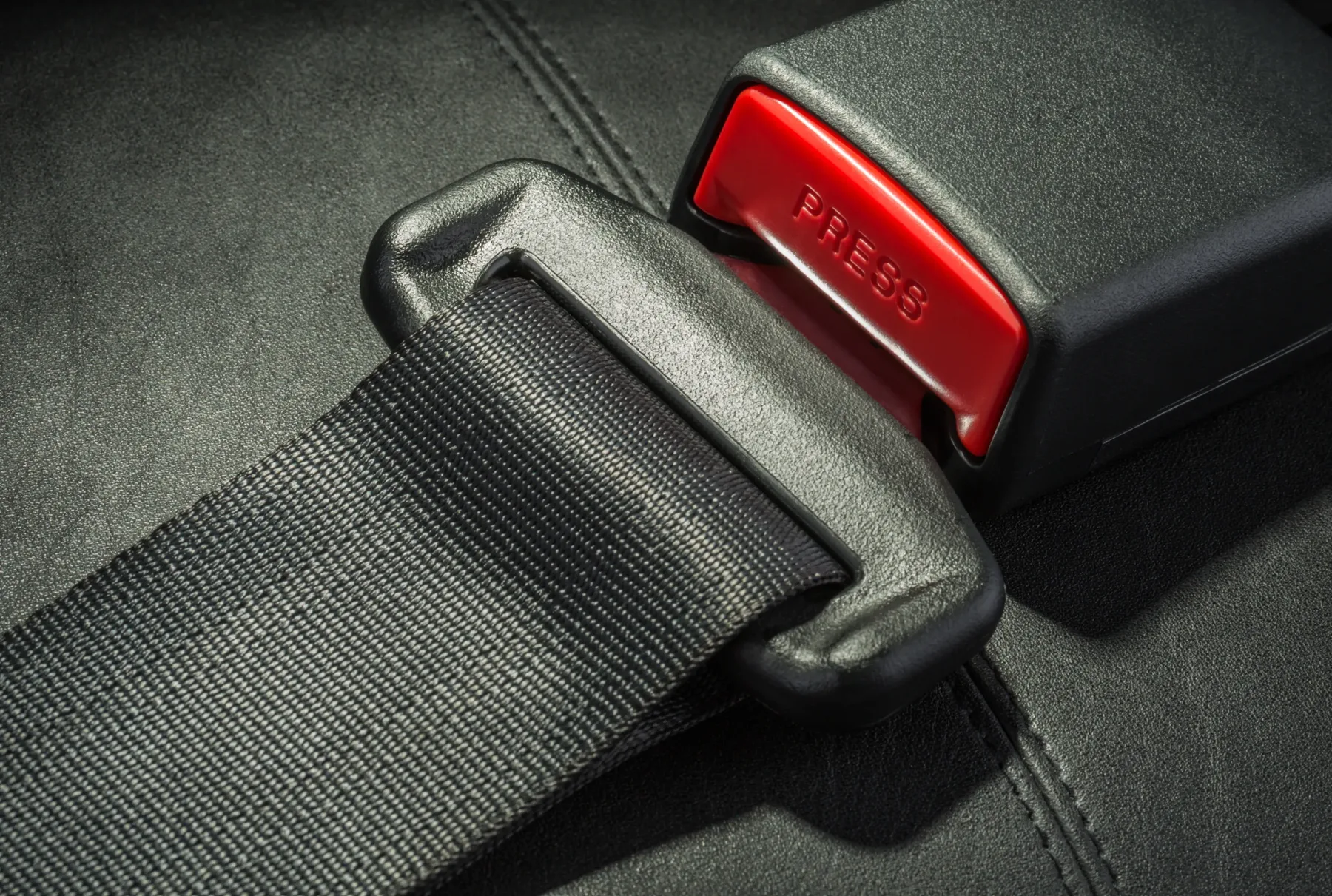
Close-up of a seat belt buckle with red press release button alongside the mating tongue plate Buckle · release mechanism
03 / Product system

Buckle Components

The buckle is the point where the restraint is deliberately made and deliberately broken. It has to accept the tongue plate confidently, hold it without ambiguity, and release it in one clear, unmistakable action — including by an occupant who cannot see what they are doing. That combination of confident engagement and unambiguous release is what buckle design is really about.

Interface
Matched to tongue plate geometry and the intended mounting arrangement
Key characteristic
Positive engagement with a single clear release action

Buckles are matched to tongue plate geometry, stalk or cable length and mounting arrangement. Where a buckle is replaced or specified independently, confirming that it mates correctly with the intended tongue is an essential first step.

Seat belt webbing passing through a moulded guide loop above a light coloured vehicle seat Webbing · weave and guide interface
04 / Product system

Webbing Systems

Webbing is the load path. Everything else in the system exists to route it, hold it or release it. Woven textile webbing is used because it combines strength with a degree of controlled extension, distributes load across a broad contact area rather than a narrow line, and stays comfortable enough that occupants actually keep it fastened.

Role
Primary load path; distributes restraint load across a broad contact area
Considerations
Width, weave construction, surface finish and behaviour through guides

Width, weave construction, finish and colour are all part of the specification. Webbing also has to run smoothly through guides and tongue plates without snagging, so the interaction between the weave and the hardware it passes through matters as much as the material itself.

Metal seat belt tongue plate with rectangular locking slot held in a moulded webbing guide Tongue plate · locking slot
05 / Product system

Latch Plates & Tongues

The tongue plate is a small component carrying a large share of the system’s responsibility. It is the part the occupant handles, the part that transfers load between webbing and buckle, and the part whose slot geometry determines whether engagement is positive or marginal. Sliding tongues also need to travel along the webbing smoothly while still locking firmly once seated.

Pairing
Always specified together with the intended buckle
Geometry
Slot position and plate profile define engagement quality

Tongue plates are specified alongside the buckle they mate with and the webbing width they carry. Plate thickness, slot position and the surrounding moulded guide all affect how the component performs in the hand and in the belt path.

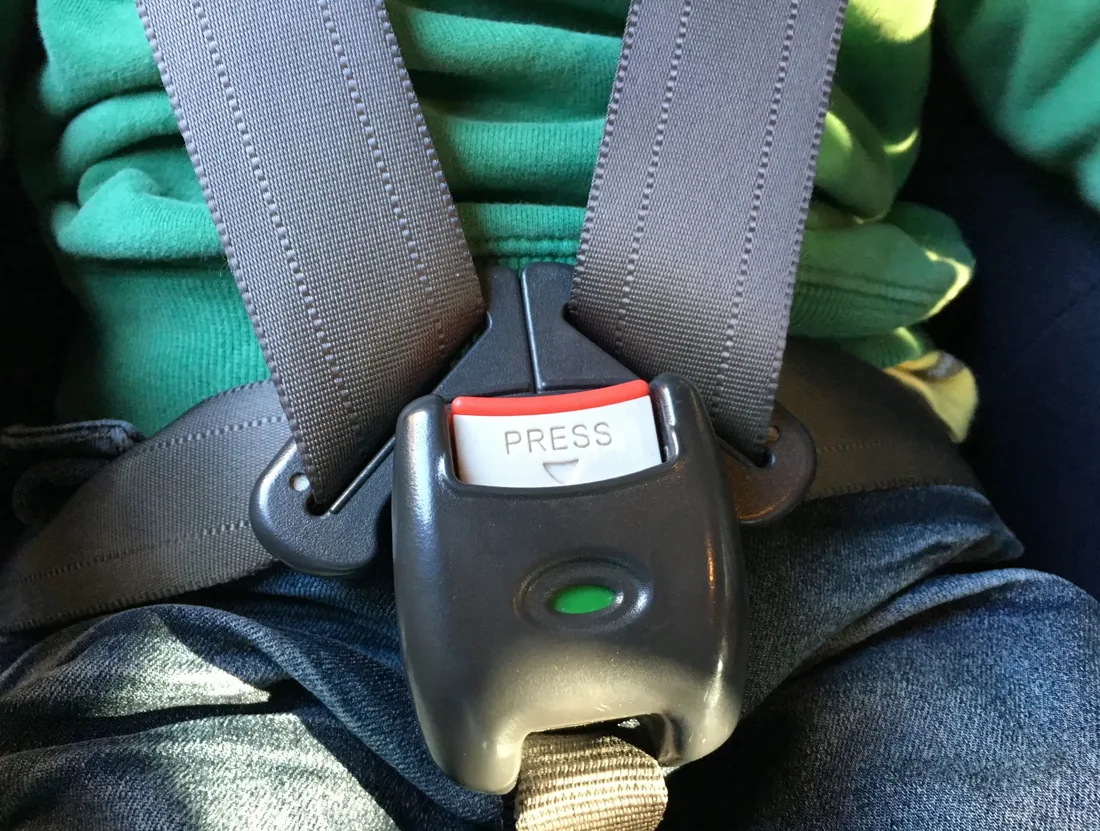
Multi-point harness with shoulder straps meeting a central buckle featuring a press release Multi-point · central buckle
06 / Product system

Multi-Point Harness Systems

Where an application calls for more control over occupant movement than a conventional belt provides, multi-point harnesses distribute restraint across several straps meeting at a central buckle. The result is a more constrained, more evenly loaded restraint — at the cost of a more involved fastening routine, which is why harnesses tend to appear where the seating position and use case justify it.

Arrangement
Multiple straps converging on a central release buckle
Requires
Additional anchorage points and application-specific installation review

Harness systems bring additional anchorage requirements, more adjustment points and a different set of installation considerations. They are best discussed against the specific seat structure and application rather than selected from a catalogue in isolation.

Manufacturing process

From requirement to application support — in six deliberate stages.

01

Requirement Understanding

Work starts with the application, not the part. Vehicle type, seating position, anchorage arrangement, belt path and how the vehicle is actually used all shape what is appropriate. Getting this stage right removes most of the ambiguity later on.

02

Material & Component Consideration

Webbing construction, hardware form, moulded parts and mating interfaces are considered together rather than in isolation, because a seat belt only performs as a connected path. Compatibility between adjacent components is reviewed at this stage.

03

Product Development / Selection

The requirement is translated into a defined product configuration — an existing arrangement where one fits cleanly, or a considered adaptation where the application needs it. The intent is a specification both sides can agree on before anything is produced.

04

Assembly & Manufacturing

Components are brought together into the assembled product. The priority through this stage is repeatability: the same routing, the same interfaces and the same build sequence, so that one unit resembles the next in the ways that matter.

05

Quality-Focused Evaluation

Assembled products are reviewed against the agreed specification — correct components, correct configuration, clean engagement and release, and workmanship consistent with what was defined. Anything that does not match the specification is addressed before it moves on.

06

Delivery & Application Support

Supply is followed by support. Questions about fitment, component identification, routing or compatibility are part of the relationship, not an afterthought — particularly where a product is going into a position it has not been used in before.

Note on scope

These stages describe how work is approached rather than a claim about specific machinery, test procedures or certifications. Where a project calls for particular processes or documented evaluation, that is defined together with the requirement at the outset.

Inside the Manufacturing Approach
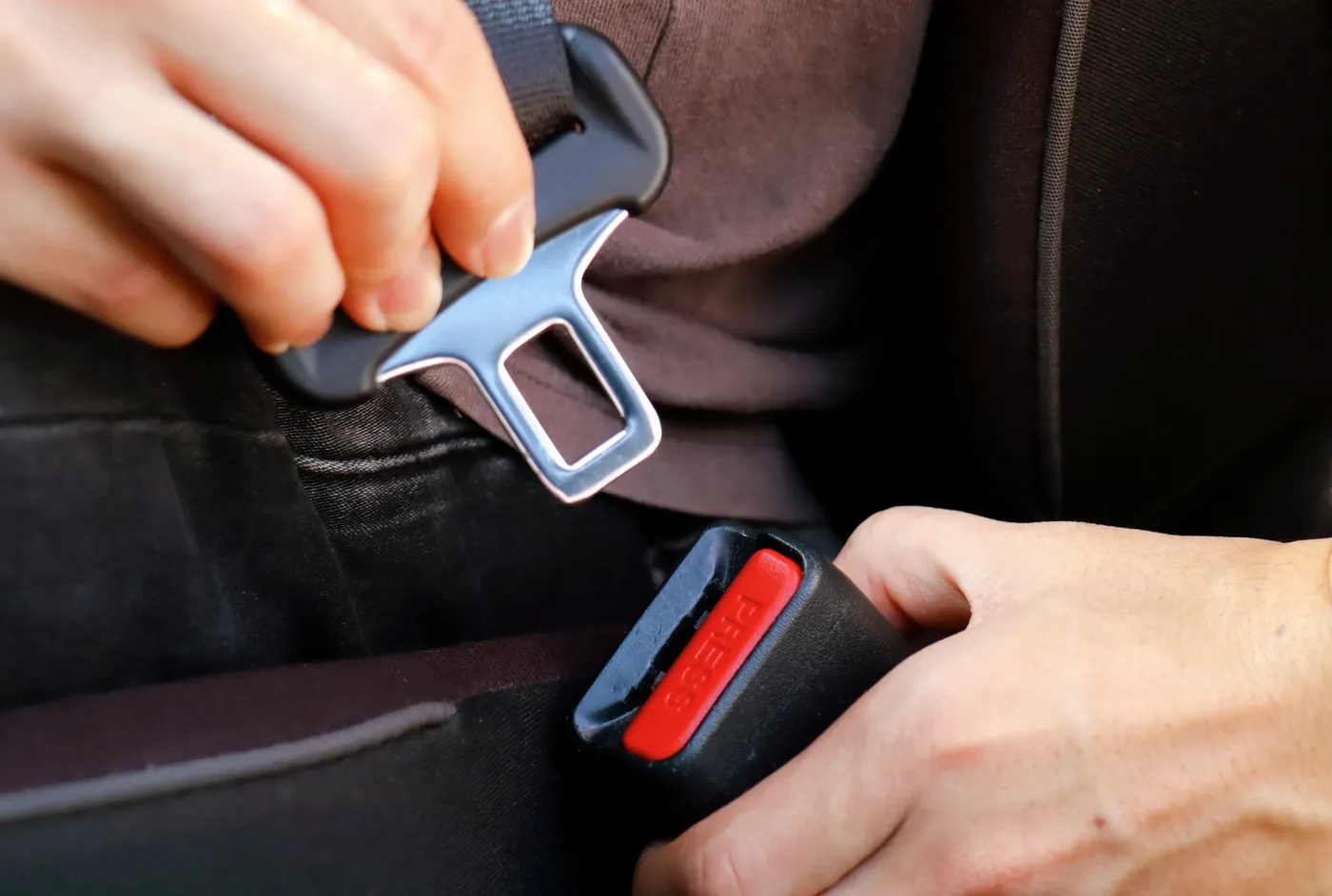
Hands guiding a metal seat belt tongue plate into a buckle with a red press release

Fig. 03 — Engagement is the moment the whole system is verified by the occupant

Quality & engineering

The questions worth asking before a component is fitted.

Quality in restraint hardware is mostly about suitability and consistency — whether the part belongs in this application, and whether it will behave the same way across every unit supplied. These are the considerations we work through.

Suitability comes before specification. A component that performs well in one seating position may be inappropriate in another because of anchorage geometry, available space, expected duty cycle or how the seat itself moves. Establishing the application properly means the discussion that follows is about the right set of options.

Integration is about mating interfaces: tongue to buckle, webbing to guide, retractor to belt path, anchorage to structure. Each of these is a designed relationship. Components that were not designed as a pair may still assemble, which is precisely what makes unverified substitution risky — the arrangement can appear correct while behaving differently from the one intended.

Mounting points, belt routing, clearance around trim, seat travel and folding mechanisms all impose requirements that are invisible in a product photograph. The more that is known about the physical installation, the less likely it is that a technically correct component turns out to be a practical mismatch.

Consistency is what allows an installer to fit the fiftieth unit with the same confidence as the first. It comes from stable component sourcing, a defined build sequence and review against an agreed specification — not from inspection alone at the end of the line.

Restraint hardware benefits from routine visual awareness — webbing that runs cleanly without fraying or twisting, a buckle that engages positively and releases in one action, a retractor that returns webbing without hesitation. Where a vehicle manufacturer provides inspection or replacement guidance for a system, that guidance should always take precedence over general advice.

Why work with us

Six things that shape how we work.

Not claims about scale or history — just the working principles that determine what a conversation with us is actually like.

01

A Manufacturing-Focused Perspective

Looking at a seat belt as something that has to be built consistently — not just sold — changes which questions get asked first. Interfaces, tolerances and repeatability come up early, because those are the things that decide whether the tenth unit behaves like the first.

02

Product Understanding

Webbing, tongue plates, buckles and retractors are treated as one connected system rather than a list of separate items.

03

Application-Oriented Approach

Recommendations are shaped by where the belt is going and how it will be used, rather than by what is easiest to supply. The vehicle, the seating position and the mounting arrangement drive the conversation.

04

Technical Communication

Clear, plain explanations of what a component does, what it mates with and where its limits lie — so decisions are made with the reasoning visible, not hidden behind terminology.

05

Quality-Conscious Thinking

Consistency is treated as a design objective. Variation is something to be reduced deliberately, not discovered later.

06

Responsive Support

Practical answers about fitment, identification and compatibility, at the point where they are actually useful — during specification, during installation, and afterwards when questions come up in service.

Knowledge area

Understand the system before you specify the part.

Long-form, original explanations of how seat belt systems work and what to weigh when selecting them — written to be genuinely useful to engineers, buyers and workshop teams alike.

Start a conversation

Tell us about the application. We will talk through the components.

Share the vehicle type, mounting arrangement and the belt configuration you are working towards. We will respond with a clear, technically grounded view of what suits the requirement.